Introduction
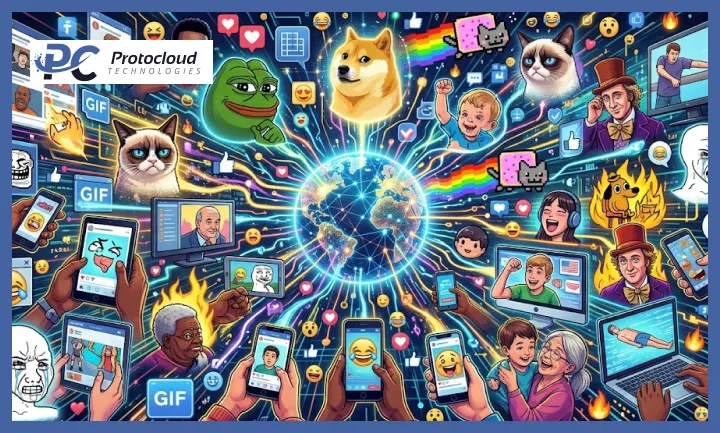
There was a time when internet humor felt disposable. A funny image would go viral for a few days, disappear, and be replaced by something else almost immediately. But over the years, memes have evolved into something much more influential. They’re now part of how people communicate ideas, react to news, market products, and even build online communities.
Today, memes are everywhere from business pages and sports accounts to classrooms and corporate presentations. They’ve become a visual language that people instantly understand because they combine emotion, timing, and relatability in a way few other formats can.
What’s interesting is how accessible this style of communication has become. Even people with no design background can quickly experiment with humor and storytelling using tools like meme creator, turning simple thoughts into highly shareable content within minutes.
Why Memes Work So Well Online
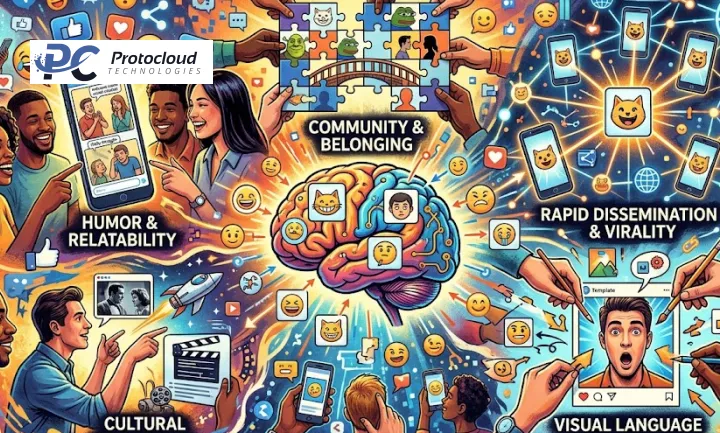
The internet moves fast. People scroll quickly, attention spans are shorter, and content competes constantly for visibility. Memes work because they deliver an emotional reaction almost instantly.
A good meme doesn’t need a long explanation. It communicates frustration, excitement, irony, or humor in seconds. That speed matters in digital communication.
Psychologically, people also enjoy content that feels familiar. Memes often reflect everyday situations—awkward conversations, workplace stress, social anxiety, procrastination, or cultural trends. When viewers recognize themselves in the joke, they engage with it naturally.
That relatability is what makes memes powerful not only for entertainment, but also for marketing and brand awareness.
Businesses Are Using Memes Differently Now
A few years ago, many brands avoided meme culture because it seemed too informal or risky. Today, companies actively invest in social media teams that understand internet humor.
Why? Because audiences respond to authenticity more than polished advertising.
People are more likely to share a funny post than a direct sales pitch. Memes help brands feel human, approachable, and culturally aware. When done correctly, they create interaction instead of interruption.
Some companies use memes to comment on trends, while others use them to simplify complicated ideas. Even industries traditionally considered “serious,” like finance or technology, now use humor to connect with younger audiences online.
The key difference is tone. Forced humor usually fails quickly. The most successful meme content feels natural and self-aware rather than overly corporate.
Memes Have Changed Social Media Strategy
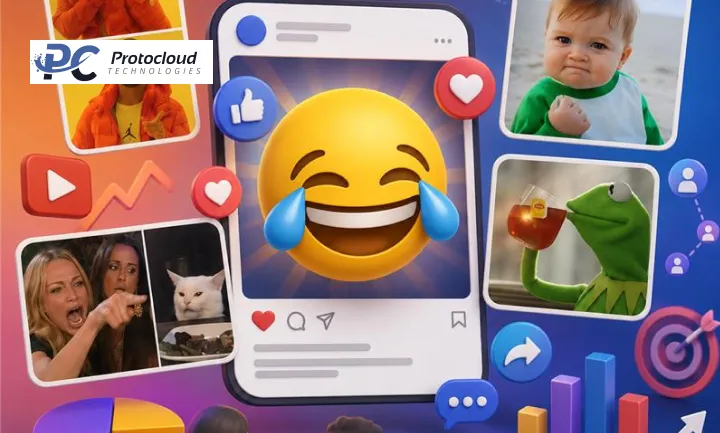
Social media used to focus heavily on perfect visuals and polished messaging. Now, audiences often prefer content that feels spontaneous and real.
Memes fit perfectly into that shift.
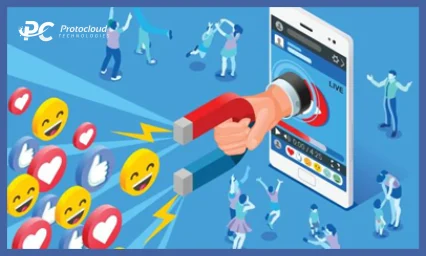
Because they are conversational by nature, memes encourage interaction. People tag friends, reply with their own versions, and continue the joke in comments. That engagement increases visibility organically, which is why meme-driven posts often outperform traditional promotional graphics.
For creators, influencers, and businesses, memes also offer flexibility. A single trending format can be adapted to multiple industries or audiences within hours.
This adaptability makes memes one of the most cost-effective forms of online communication available today.
The Balance Between Humor and Relevance
Not every meme succeeds, and timing matters more than many people realize.
Internet trends move quickly. A format that feels fresh today may already feel outdated next week. That’s why understanding audience culture is critical.
The best meme content usually follows three simple principles:
1. Stay relatable
People connect with content that reflects real experiences or emotions.
2. Keep it simple
Overcomplicated jokes lose impact quickly. Memes work because they are immediate.
3. Understand the audience
A meme that works for gamers may not resonate with professionals or parents. Context matters.
Successful creators spend time observing how their audience naturally communicates online before attempting to join the conversation.
Why Memes Are Effective Beyond Entertainment
While memes are associated with humor, their influence extends far beyond comedy.
Educators use memes to make lessons more engaging. Nonprofits use them to increase awareness about social issues. Businesses use them to explain products in simpler ways. Content creators use them to strengthen community identity.
Even political campaigns and news organizations rely on meme culture to spread messages quickly.
This versatility comes from the format itself. Memes simplify information into emotionally recognizable moments. That combination of clarity and relatability makes them uniquely effective in digital environments.
The Rise of User Participation
One reason meme culture continues growing is because it encourages participation instead of passive consumption.
Traditional advertising asks people to watch. Memes invite people to respond.
Users remix templates, add personal captions, and adapt formats to their own experiences. This creates a cycle where audiences become contributors rather than just viewers.
For brands and creators, this is valuable because participation increases emotional investment. When people personalize content, they feel connected to it.
That sense of ownership is one of the reasons memes spread so rapidly across platforms.
Creating Better Meme Content
If you want memes to perform well, focus less on trying to “go viral” and more on creating something genuinely relatable.
Some practical tips include:
- Observe trending formats before using them
- Prioritize timing over perfection
- Avoid overloading visuals with text
- Use humor that feels authentic to your audience
- Keep designs visually clean and easy to read
Most importantly, understand that memes work best when they feel natural. Audiences can immediately tell when content is trying too hard to sound internet-savvy.
Conclusion
Memes have evolved into far more than internet jokes. They are now a major part of how people communicate, market ideas, and engage with digital culture.
Their power comes from simplicity, relatability, and emotional connection. In a crowded online world, those qualities matter more than ever.
Whether used by creators, businesses, educators, or everyday social media users, memes continue to shape how conversations happen online—and their influence is only growing.