If you’ve been online recently, you’ve likely come across Temu. It exploded onto the scene and became one of the most downloaded shopping apps almost overnight. But what exactly is Temu, and why are so many businesses now trying to build something just like it?
This guide makes it easy to understand, step by step. Whether you’re a business owner, a developer, or just someone curious about how apps like Temu actually work, you’re in the right place.
What Is Temu, Really?
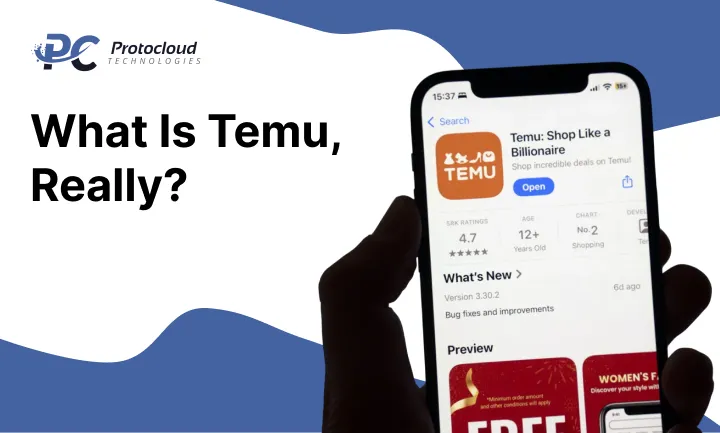
Temu is an online shopping platform that lets people buy a huge range of products at very low prices. From clothes and shoes to gadgets and home goods — it has something for almost everyone. The Temu eCommerce platform connects buyers directly with manufacturers, which is a big part of why the prices are so low.
What makes the Temu app stand out is how easy it is to use. The design is clean and simple. Finding products, adding them to your cart, and checking out takes just a few taps. That smooth experience is a huge reason why millions of people keep coming back.
Understanding Temu’s meaning goes beyond just knowing it’s a shopping app. It represents a shift in how modern eCommerce works — fast, affordable, personalized, and built entirely around the user’s convenience.
Why So Many Businesses Want to Build Apps Like Temu
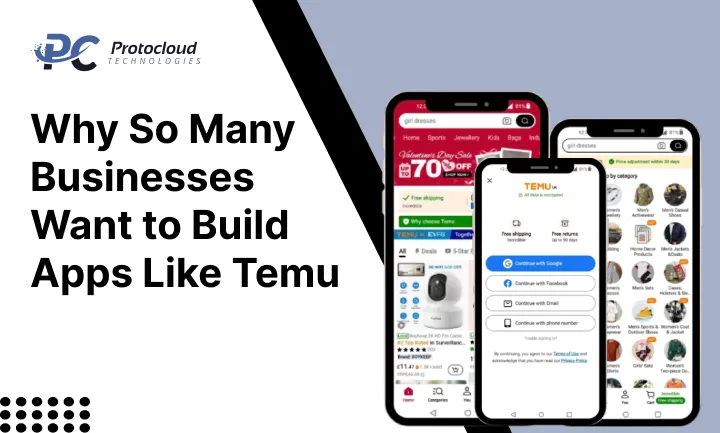
The success of Temu online shopping has inspired a lot of businesses to ask the same question: Can we build something like this? And the answer is yes. But only if you get the features right.
Apps like Temu work because they combine the right technology with the right user experience. It’s not just about offering a wide range of products. It’s about making the entire shopping journey feel effortless. If you’re thinking about eCommerce app development, here’s exactly what you need to include.
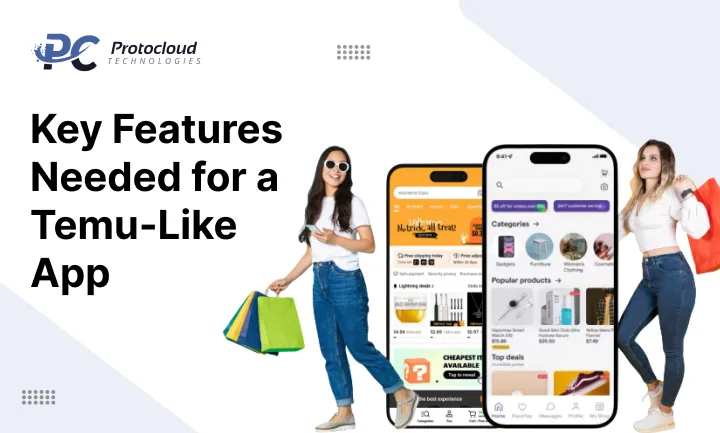
Key Features Needed for a Temu-Like App
Personalized User Profiles
A strong user profile ecommerce app gives every shopper their own space — order history, saved addresses, and product suggestions tailored just for them. When your app feels personal, users stay longer and come back more often. A smart product recommendation system ecommerce built into the foundation of your platform, makes that happen automatically.
Advanced Search and Filters
Nobody wants to scroll endlessly to find one product. Advanced search ecommerce app features let users find what they want in seconds. Product filters online shopping — by price, category, size, or rating — make the experience even faster and smoother. This is one of the core reasons Temu marketplace features feel so effortless to use.
Product Listings That Sell
Your product listing ecommerce app needs clear titles, honest descriptions, and great photos. High-quality product images ecommerce are non-negotiable — shoppers can’t touch things online, so visuals do all the work. Strong product description optimization ecommerce gives users everything they need to feel confident hitting that buy button.
Secure User Authentication
If your app doesn’t feel safe, people simply won’t use it. Secure authentication ecommerce app features protect user data from day one. A multi-factor authentication shopping app setup adds extra protection that users genuinely appreciate. A secure login ecommerce platform builds the kind of trust that keeps people coming back.
Smooth Checkout Experience
A complicated checkout kills sales. Your shopping cart system ecommerce should make the buying process feel easy and natural. Checkout process optimization ecommerce means fewer steps and less friction. Here’s what every great checkout must include:
- Multiple payment integration ecommerce — cards, wallets, and buy now pay later options.
- A clear order summary before final confirmation.
- One-tap reorder for returning customers.
- A clean design that guides users forward without confusion.
Get this right, and you will reduce cart abandonment ecommerce significantly.
Real Time Order Tracking
After a purchase, users want to know exactly where their order is. A real-time order tracking app removes all that post-purchase anxiety. Delivery tracking ecommerce app tools send automatic updates at every stage — packed, shipped, out for delivery, delivered. It’s one of the most loved parts of the Temu business model and a must for any serious platform.
Smart Push Notifications
Push notifications, ecommerce app features work best when they feel helpful, not spammy. Personalized push notifications shopping app setups use real user data to send the right message at the right time — a sale on something they browsed, a reminder about an abandoned cart. Done right, this drives user engagement and ecommerce app numbers up consistently.
Reviews and Ratings
Trust comes from people, not just brands. A solid review and rating system ecommerce turns your users into your best sales team. Your customer reviews ecommerce platform section should be easy to find and impossible to fake. A clear product rating system app with verified purchase badges is one of the most powerful trust-building e-commerce app tools you can have.
Multi-Language and Currency Support
Want to grow globally? A multilingual ecommerce app makes users feel comfortable shopping in their own language. Multi-currency support ecommerce removes the friction of mental math. Together, these are the foundation of any serious global ecommerce platform features strategy.
Social Media Integration
A simple share button can bring in new customers for free. Social media integration ecommerce app features let users post products directly to Instagram, WhatsApp, or Facebook with one tap. Share products, social media, and ecommerce tools, build a community around your brand, and create organic word-of-mouth that paid ads simply cannot replicate.
Wishlist Feature
Not everyone buys on the first visit. A wishlist feature in an ecommerce app lets users save what they love and return when they’re ready. The ability to save items for later shopping — combined with smart “back in stock” or “price drop” alerts — gives users a real reason to keep opening your app regularly.
Responsive Design Across All Devices
Your app must look great and work perfectly on every screen. Responsive ecommerce app design is a basic requirement, not a bonus. A mobile-friendly shopping app that loads fast and scrolls smoothly keeps users happy and reduces bounce rates. Strong cross-platform ecommerce app development means your ecommerce app for Android and iOS users both gets the same great experience every time.
Reliable Customer Support
When something goes wrong, users need help fast. Customer support ecommerce app features should always be easy to access. Live chat ecommerce support is the gold standard today — users want instant answers, not three-day email threads. Strong ecommerce app customer service features build loyalty that no marketing budget can buy.
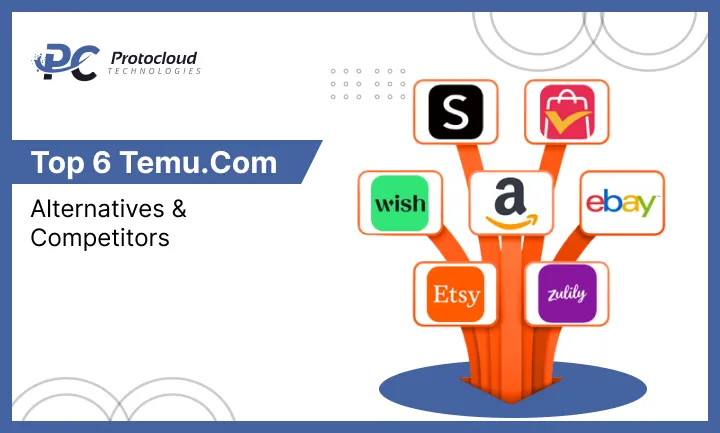
Temu Competitors 2026: Best Alternatives to Build a Real eCommerce Business
Everyone knows Temu. The prices are crazy low, and the product range is massive. But if you’re trying to build a real, sustainable online business, Temu is probably not your best long-term partner.
The good news is that there are many better options available right now. Here are the top Temu competitors in 2026 that serious sellers are actually using.
Doba: The Best US Dropshipping Alternative
When it comes to Doba dropshipping, quality and speed are the main selling points. Doba vs Temu is really a comparison between cheap and risky versus reliable and scalable.
Doba gives you access to US dropshipping suppliers with 2 to 5 day shipping times. That alone puts you in a completely different league when competing against Amazon Prime. Orders are processed automatically, inventory updates in real time, and tracking numbers are uploaded without any manual work on your end.
Shopify dropshipping suppliers and BigCommerce integrations dropshipping are both fully supported. If you’re serious about automated dropshipping system operations that can actually scale, Doba is worth every penny of the higher product cost.
AliExpress: Still a Global Powerhouse
AliExpress dropshipping 2026 remains one of the most flexible options for sellers who want access to global manufacturing at competitive prices. The key difference between AliExpress and Temu is that AliExpress sellers actually understand and support the dropshipping model.
You can request blind dropshipping directly from sellers — meaning no invoices or branding materials go inside the package. That protects your brand and keeps your business looking professional to customers. For anyone building a global dropshipping suppliers network on a budget, AliExpress is still one of the smartest starting points available.
SHEIN: Great for Fashion, But Be Careful
SHEIN dropshipping works well in the fashion niche — but it comes with one serious warning. Their product photography is proprietary. Using their official images on your store will likely get you a copyright takedown notice fast.
If you want to use SHEIN as a fast fashion ecommerce supplier, order samples first and create your own original photos and content. That extra step protects your store and starts building a real brand identity rather than just another reseller page.
Amazon: Use It For Research, Not Fulfillment
Here’s a common mistake beginners make: Amazon is a powerful product research platform, but it’s not a supplier.
Using an Amazon Prime account to fulfill customer orders directly violates their Terms of Service. The Amazon Prime dropshipping policy is strict, and account bans happen fast. Instead, use Amazon to find products with thousands of positive reviews. That data tells you exactly what people already want to buy. Then find a proper supplier who can provide the same product with better margins and custom packaging ecommerce options.
The Branding Problem Nobody Talks About
Here’s the truth about why most dropshipping stores fail in 2026. It’s not the products. It’s the lack of identity.
If you’re sourcing from Temu or SHEIN, you need a clear plan to move away from their branded packaging as soon as possible. Successful sellers use a simple framework:
- Test first. Use cheaper suppliers to validate demand with your first 5 to 10 sales.
- Then scale properly. Move to a private agent who offers custom packaging ecommerce and unbranded fulfillment.
- Build a real brand. Add your logo, improve the product, and create an unboxing experience worth sharing.
Private label dropshipping is where the real money is. It moves you from “product flipper” to actual brand owner — and that’s a business you can grow, protect, and eventually sell.
How to Stay Ahead in 2026
You cannot beat Temu on price. That battle is already lost before it starts.
What you can do is offer things that Temu never will.
Sustainable ecommerce products are growing fast. Consumers are actively choosing brands that use ethical sourcing and eco-friendly packaging. Eco-friendly dropshipping products command higher prices and attract loyal customers who care about more than just the lowest price tag.
Print-on-demand jewelry and custom-engraved products ecommerce are two of the strongest, profitable dropshipping niches for 2026 right now. These are personalized items that giant platforms like Temu simply cannot replicate at scale. When you sell something unique and meaningful, price stops being the only factor.
Final Thoughts
Temu is not your enemy. It’s actually a useful research tool for finding what people want to buy. But as a long-term business partner, it creates more problems than it solves.
The smartest ecommerce business model 2026 is one built around a real brand, reliable suppliers, fast fulfillment, and a product that stands out. Use the right Temu alternatives, build something with genuine identity, and you’ll have a business that actually lasts.