The World of eCommerce marketplaces is moving at lightning speed. New players are entering the field. Big giants are pushing new ideas every year. This rapid evolution is reshaping how global businesses sell, scale, and connect with customers.
Today’s global digital marketplaces give both startups and large enterprises a powerful way to expand reach, boost revenue, and streamline operations. And with rising competition, knowing the top eCommerce marketplaces 2026 is no longer optional. It’s a strategic advantage.
If you want to enter new markets or refine your digital commerce strategies, this guide will help. Here, you will discover the World’s most influential marketplaces and what makes them leaders in the future of eCommerce. You’ll also learn which platforms serve as alternatives to Amazon for sellers targeting global audiences.
What is an eCommerce Marketplace?
An eCommerce marketplace is a platform where multiple sellers list products or services for buyers worldwide. The platform connects buyers and sellers. It manages payments, logistics support, and customer service. Sellers can focus on sales, brand building, and inventory.
These online selling platforms are now the backbone of global eCommerce growth. They support millions of transactions daily and create opportunities for businesses of every size.
Types of eCommerce Marketplaces
Different marketplaces follow different business models. Here are the most common types you’ll see in online marketplace examples today.
-
Business-to-Business (B2B) Marketplace
A B2B eCommerce marketplace connects one business to another. Companies use these platforms to buy bulk goods, raw materials, and specialised items.
Popular examples include Alibaba, Global Sources, and IndiaMART marketplaces. These platforms often serve as strong alternatives to Amazon for B2B sellers.
-
Business-to-Consumer (B2C) Marketplace
A B2C eCommerce marketplace connects brands with individual buyers. These sites dominate the eCommerce trends 2026 and set global standards.
Leading names include Amazon Marketplace, Walmart Marketplace, and AliExpress Marketplace.
-
Peer-to-Peer (P2P) Marketplace
P2P marketplace platforms let individuals rent, share, or exchange goods and services.
Significant examples include the Airbnb marketplace and Turo.
-
Vertical Marketplaces
Vertical marketplaces focus on a single niche. They offer products from one category or industry.
Examples include the Etsy, StockX, and Reverb marketplaces. Many niche brands use these platforms as alternatives to Amazon to reach targeted buyers.
-
Horizontal Marketplaces
Horizontal marketplaces offer products across a wide range of categories on a single platform.
Top names include Amazon, eBay Marketplace, and more. These are ideal for sellers who want to reach across multiple categories.
-
Product-Based Marketplaces
A product-based marketplace sells physical goods. Most global giants fall under this model, including Amazon, Etsy, and AliExpress.
-
Services Marketplaces
A services marketplace connects service providers to buyers.
Well-known examples include the Fiverr and Preply marketplaces.
-
Hybrid Marketplaces
Hybrid marketplaces combine models such as B2B, B2C, and C2C.
A clear example is Amazon, which sells its own products while hosting third-party sellers.
The 20 Most Popular eCommerce 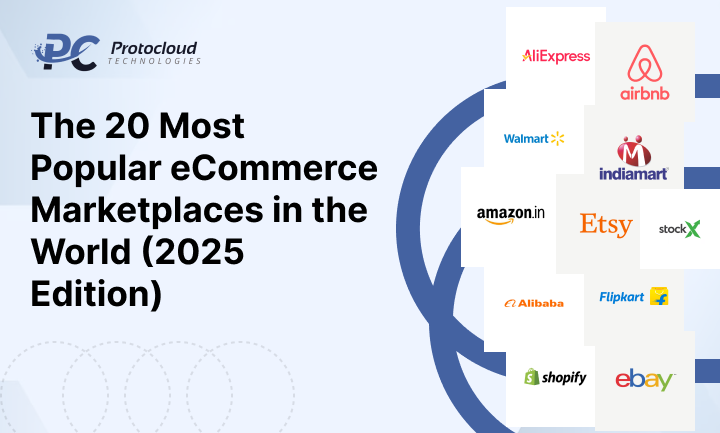 Marketplaces in the World (2026 Edition)
The World of online shopping is exploding. People now buy everything online — from groceries to gadgets to luxury products. And behind this massive shift are global eCommerce marketplaces that attract billions of visitors every single month.
But here’s the interesting part:
Each marketplace is popular for different reasons — audience, product categories, trust, speed, or pricing.
So if you’re a business owner, seller, or startup exploring the right place to sell in 2026, this guide is precisely what you need. You’ll learn:
✔ Which marketplaces dominate globally
✔ How many people visit each marketplace
✔ What products sell best
✔ Which countries trust them the most
✔ And which platforms are a strong alternative to Amazon
Let’s dive right in.
-
Amazon — The Undisputed Global Leader
Amazon continues to dominate the global eCommerce game. With over a billion visits every month, it’s the first choice for buyers who want fast delivery, reliable sellers, and a massive variety of products.
What makes Amazon powerful is its ecosystem. Prime delivery, Amazon Pay, FBA, and its trusted return policies keep customers loyal. Sellers also prefer Amazon because the traffic is already built in.
Most popular in: USA, UK, India, Germany
Best-selling products: Electronics, books, home essentials
Why it’s #1: Trust, speed, global reach
If you’re exploring an alternative to Amazon, don’t worry — many substantial marketplaces offer similar reach, which you’ll see ahead.
-
Walmart — The Fastest-Growing Amazon Competitor
Walmart is no longer just a retail giant. Its marketplace has exploded online, especially in the US. Millions of shoppers prefer Walmart for groceries, home goods, and budget-friendly products.
What makes Walmart stand out is its mixed model. It blends offline stores with online shopping, creating a powerful hybrid ecosystem.
Strongest region: United States
Best-selling items: Groceries, household items, toys
Why it’s rising: Trust + everyday low prices
For sellers who want Amazon-level traffic without heavy competition, Walmart is a strong pick.
-
eBay — The World’s Largest Auction Marketplace
eBay remains unique. It’s the only global marketplace where auctions still thrive. From new goods to rare collectables, vintage items, and refurbished electronics — eBay has a dedicated global fanbase.
Unlike Amazon, eBay doesn’t hold inventory. Sellers have complete freedom to list, price, and ship products.
Top regions: USA, UK, Australia, Germany
Best-selling categories: Collectables, used electronics, apparel
Why buyers love it: Unique products + huge deals
If your brand sells refurbished or rare items, eBay can outperform Amazon in that space.
-
Alibaba — The Largest B2B Marketplace in the World
Alibaba dominates global wholesale trade. Businesses use it to source products directly from manufacturers, mainly in China. If you’re looking for bulk orders at factory prices, nothing comes close to Alibaba.
It’s built for companies, not individual shoppers. That’s why you’ll find massive product catalogues, MOQ options, and supplier verification tools.
Strong in: Asia, Europe, Africa
Best for: Bulk products, private-label items, manufacturing
Why it stands out: Direct supplier access + global shipping
For global sourcing, Alibaba is the strongest alternative to Amazon in the B2B space.
-
AliExpress — Affordable Shopping for International Buyers
AliExpress brings the power of Chinese suppliers to global customers. It’s popular for its low prices and a massive product variety. Unlike Alibaba, you can buy single items without bulk orders.
Buyers love it because they can get trendy items for less. Sellers love it because they can test products without big investments.
Top regions: Europe, Brazil, India, Russia
Best-selling products: Fashion, gadgets, home items
Why people choose it: Cheap prices + free/low-cost shipping
If you’re selling budget-friendly products, AliExpress is a solid alternative to Amazon for price-focused shoppers.
-
Shopify — The Leader in Independent Online Stores
Shopify isn’t a marketplace like Amazon or Walmart. It’s a platform where businesses create their own online stores. But in 2026, it dominates the D2C (direct-to-consumer) world.
Brands use Shopify to build strong digital identities without depending on a marketplace. You get complete control over inventory, branding, and pricing.
Top regions: USA, UK, Canada, India
Best for: D2C brands, fashion, beauty, lifestyle products
Why it’s growing: Full customisation + control over sales
For brands wanting freedom and less competition, Shopify is often a more innovative alternative to Amazon.
-
Flipkart — India’s Homegrown eCommerce Champion
Flipkart remains India’s most trusted online shopping platform. It offers fast delivery, strong customer service, and seller-friendly policies.
Many Indian sellers prefer Flipkart over Amazon because competition is lower and commissions are more predictable.
Top region: India
Best-selling categories: Electronics, fashion, smartphones
Why buyers trust it: Strong delivery network + significant discounts
If you’re selling in India, Flipkart offers a powerful alternative to Amazon with a massive customer base.
-
Etsy — The Global Marketplace for Handmade & Creative Goods
Etsy is the go-to platform for handmade crafts, personalised items, vintage goods, and niche products. It has a loyal community of buyers who love unique and artistic products.
If your brand focuses on creativity, Etsy offers a highly targeted audience ready to buy.
Top regions: USA, UK, Germany, Australia
Best-selling categories: Handmade jewellery, art, vintage fashion
Why sellers love it: Less competition + loyal buyers
For niche and artistic products, Etsy is the best alternative to Amazon because your products stand out instantly.
-
eBay — A Global Marketplace for Auctions and Unique Items
eBay remains one of the World’s most flexible global eCommerce marketplaces. It supports both fixed-price listings and auctions, making it ideal for selling collectables, refurbished goods, and rare products.
Buyers trust eBay for its strong protection policies. Sellers love it for lower competition and niche audiences.
Top regions: USA, UK, Australia
Strong categories: Collectables, electronics, refurbished gadgets
Why it’s unique: Auction-style listings + global shipping
For used or collectable products, eBay is the most practical alternative to Amazon.
-
Walmart Marketplace — A Fast-Growing Retail Giant Online
Walmart has become a significant force in the leading eCommerce platforms segment. Its marketplace gives sellers access to millions of customers who prefer trusted retail brands.
The platform keeps high seller standards, which builds strong buyer confidence. Fast shipping, in-store returns, and robust customer support make Walmart one of the best online marketplaces to sell on in 2026.
Top region: United States
Best-selling categories: Home goods, groceries, electronics
Why sellers join: High trust + fewer sellers than Amazon
For US-focused brands, Walmart Marketplace is a premium alternative to Amazon with a loyal buyer base.
-
Global Sources — A Trusted B2B Sourcing Platform
Global Sources is a robust B2B eCommerce marketplace used by wholesalers, retailers, and importers worldwide. It connects buyers with verified suppliers, mainly from Asia.
It’s known for its strict supplier verification system, making it ideal for large-volume sourcing.
Top regions: Asia, USA, Middle East
Best for: Wholesale electronics, industrial goods, OEM products
Why it stands out: Verified suppliers + trade shows
For global sourcing, Global Sources competes directly with the Alibaba marketplace and offers a reliable alternative to Amazon Business.
-
IndiaMART — India’s Largest B2B Marketplace
IndiaMART leads India’s B2B economy. It helps manufacturers, wholesalers, and service providers connect with businesses nationwide.It’s built for bulk buying, industrial sourcing, and professional services.
Top region: India
Popular categories: Machinery, tools, chemicals, raw materials
Why it works: Huge supplier network + local business focus
For Indian companies, IndiaMART is a strong domestic alternative to Amazon in the B2B space.
-
Airbnb — The Global Leader in P2P Marketplace Platforms
Airbnb transformed the travel industry by creating the World’s biggest P2P marketplace platform for stays and unique experiences. Hosts list rooms, homes, and vacation spaces. Travellers book them in minutes.
Its flexible model makes it a top example of how digital trade platforms continue to reshape industries.
Top regions: Global
Best for: Stays, experiences, rentals
Why travellers love it: Unique stays + transparent pricing
Airbnb proves that P2P marketplace ecosystems can disrupt even traditional hospitality.
-
StockX — The Trusted Marketplace for Sneakers & Collectables
StockX is a vertical marketplace focused on sneakers, luxury items, collectables, and streetwear. It operates like a “stock market,” where prices move in response to supply and demand.
Every product goes through authentication, which builds strong buyer trust.
Top regions: USA, Europe
Popular items: Sneakers, electronics, trading cards
Why it’s unique: Price transparency + authentication
StockX is one of the best online marketplaces for niche communities and a unique alternative to Amazon for hype-driven products.
-
Reverb — The Marketplace Built for Musicians
Reverb is a specialised vertical marketplace for musical instruments and audio gear. Musicians go there because the platform offers fair pricing, trusted sellers, and detailed product information.
It’s a strong example of how niche online selling platforms continue to grow in 2026.
Top regions: USA, UK, Europe
Best-selling items: Guitars, keyboards, studio gear
Why it stands out: Expert listings + community-driven reviews
Reverb is a perfect alternative for Amazon for artists who want verified music gear sellers.
- Fiverr — The Leading Marketplace for Digital Services
Fiverr created a booming services marketplace, where freelancers offer skills in writing, design, coding, and marketing. Buyers love its transparent pricing and fast delivery.
It’s now one of the World’s most popular leading eCommerce platforms for services.
Top regions: Global
Popular skills: Graphic design, SEO, programming, content
Why clients use it: Easy hiring + upfront pricing
Fiverr is the ideal alternative to Amazon if your goal is to sell or buy digital services.
- Preply — A Marketplace for Learning & Teaching
Preply is a fast-growing services marketplace that connects language learners with tutors worldwide. Its personalised teaching experience makes it a powerful global learning platform.
Top regions: USA, Europe, Asia
Subjects offered: English, Spanish, German, French, and more
Why it’s unique: One-on-one learning + flexible pricing
Preply shows how specialised marketplace business models can reinvent education.
- Turo — The P2P Marketplace for Vehicle Rentals
Turo leads the way in peer-to-peer car rentals. It allows car owners to rent their vehicles like a business. This approach has made Turo one of the top P2P marketplace platforms worldwide.
Top regions: USA, Canada, UK
Why renters choose it: Lower prices + more options
Why it’s unique: Community-based vehicle sharing
Turo is a smart alternative to Amazon when you want to rent cars, not buy them.
- Rakuten — Japan’s Most Influential Marketplace
Rakuten is one of Asia’s most significant global digital marketplaces. It offers a mix of products, digital content, and financial services. Its reward program makes it extremely popular among repeat buyers.
Top region: Japan
Best categories: Electronics, beauty, home goods
Why it’s strong: Loyalty rewards + huge seller network
Rakuten continues to challenge giants like the Amazon marketplace across Asia.
- Mercado Libre — Latin America’s eCommerce Powerhouse
Mercado Libre dominates Latin America. Its ecosystem includes payments, logistics, and fast deliveries, making it one of the top eCommerce marketplaces in 2026.
Top regions: Brazil, Mexico, Argentina
Best categories: Electronics, fashion, home essentials
Why it leads: Strong logistics + trusted payment system
Mercado Libre is the most powerful alternative to Amazon in Latin America.
Top 5 Countries Leading Global eCommerce Growth
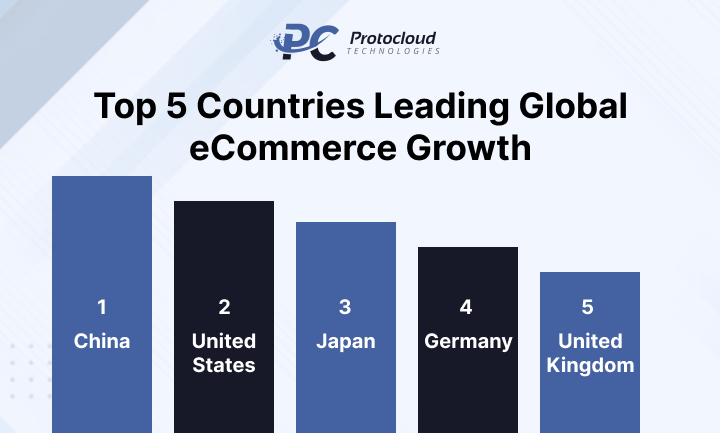
Finding the best countries for ecommerce helps brands grow faster. Strong internet use, high spending power, and mature digital systems make some markets more profitable than others.
These countries also host many popular eCommerce marketplaces, giving sellers access to millions of buyers.
Let’s break it down in the simplest way.
-
China
China is the World’s biggest ecommerce market.
It made US$1.5 trillion in 2022.
The country has 1.4 billion people, and 76.4% of them use the internet.
This makes China a massive opportunity for sellers.
Its purchasing power will rise in the coming years, which means more online shopping.
Top platforms include:
- Taobao marketplace
- Pinduoduo marketplace
- JD.com marketplace
Many brands also seek alternatives to Amazon because China has a strong digital ecosystem of its own.
-
United States
The USA has the second-largest ecommerce market.
It earned US$875 billion in 2022.
More than 340 million people live in the US, and 91.8% use the internet.
Americans also have high purchasing power ($63,700 per person).
Popular platforms include:
- Amazon marketplace
- Walmart marketplace
- Target marketplace
- Etsy and other alternatives to Amazon options
The US is one of the best places for ecommerce expansion.
-
Japan
Japan made US$241 billion in ecommerce revenue in 2022.
It is a small country with strong digital habits.
About 94% of Japan’s 123 million people are online.
They prefer fast delivery and a smooth online shopping experience.
Top platforms include:
- Rakuten marketplace
- Mercari marketplace
Japan also has a growing demand for alternatives to Amazon platforms.
-
Germany
Germany is Europe’s strongest ecommerce market.
It generated US$148 billion in 2022.
The country has 83 million people, and 93.1% use the internet.
Its purchasing power ($53,100 per person) is also high.
Top platforms include:
- Zalando marketplace
- Allegro marketplace
Germany also sees more sellers using alternatives to Amazon to reach new customers.
-
United Kingdom
The UK has one of the most developed ecommerce markets.
It made US$143 billion in 2022.
The country has 67 million people, and 98% are online — one of the highest rates in the World.
Popular platforms include:
- eBay marketplace
- Amazon marketplace
- Etsy marketplace
- Local alternative for Amazon platforms like OnBuy
The UK is an excellent market for online sellers who want fast growth.
Conclusion
Global ecommerce is growing fast. Big platforms like Amazon, Alibaba, and eBay still lead.
But many other marketplaces — such as Mercado Libre, Lazada, Wildberries, Ozon, Trendyol, and Flipkart — are gaining substantial traction.
Choosing the right platform matters. Picking the right alternative for Amazon also helps brands stand out. And having the right tech partner makes the journey even easier.
Build smart.
Scale fast.
Grow globally.