Introduction
Pricing has the power to determine the success or failure of a SaaS business. It is not just a number on a webpage. It is a message you send to every potential customer about the value you deliver.
Many SaaS founders obsess over features, design, and marketing — but treat pricing as an afterthought. That is a costly mistake. The right pricing strategy directly shapes your conversions, revenue, retention, and long-term growth.
In this guide, you will learn how to build a smart, scalable pricing approach from the ground up — and how tools like FastSpring can help you manage and optimize it every step of the way.
What Is SaaS Pricing?
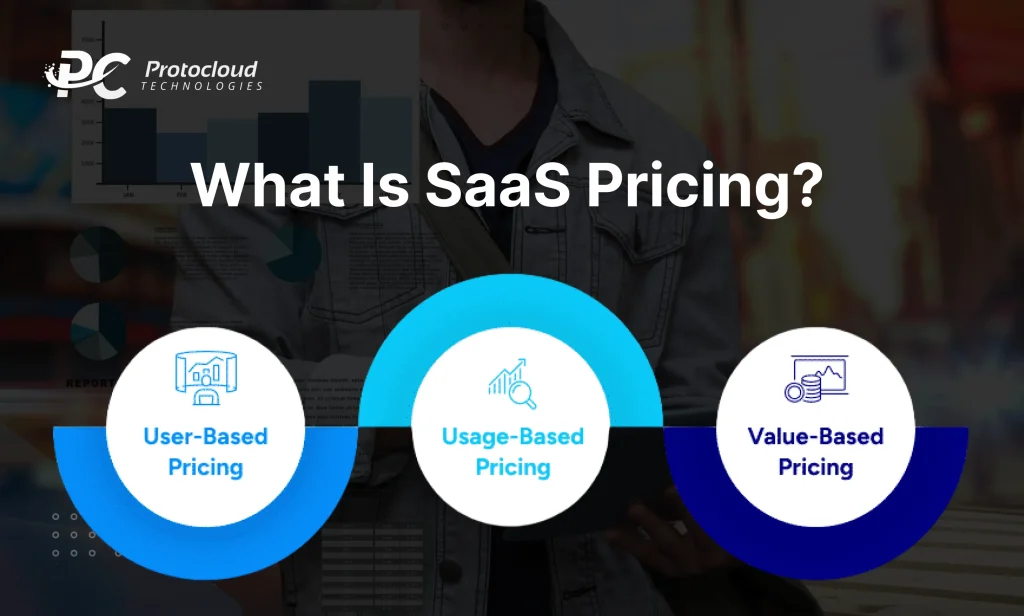
SaaS pricing is how you charge customers for software that runs in the cloud and is delivered on a subscription basis. Unlike traditional software that customers buy once, SaaS is a recurring relationship. Customers pay monthly or annually, and your job is to keep delivering value that justifies the cost.
A solid SaaS pricing model answers three questions clearly: Who is this for? What value does it deliver? And what is the right price for that value?
Why Your SaaS Pricing Strategy Has a Bigger Impact Than You Realize
A smart SaaS pricing strategy is one of the highest-leverage decisions you can make. It affects everything from how fast you grow to how long customers stay.
When your pricing is well-designed, customers understand it quickly, feel good about signing up, and stick around longer. When it is poorly designed, even great products lose sales and struggle to retain users.
A strong pricing strategy for SaaS products helps you increase conversion rates, improve customer lifetime value, reduce churn, and position your product clearly against competitors.
Types of SaaS Pricing Models
Flat-Rate Pricing
This is the simplest approach — one product, one price. It is easy to explain and easy to sell, but it does not work well if your customers vary widely in size or needs.
Tiered Pricing
SaaS pricing tiers are the most popular model for a reason. You offer multiple plans — often Starter, Pro, and Business — each with a clear set of features. Customers choose options that match their needs and what they can afford. This model gives you flexibility and helps you serve both small teams and large enterprises from one pricing page.
Usage-Based Pricing
Customers pay based on how much they use — API calls, data processed, messages sent. This model feels fair to customers and grows naturally with their usage. It is a key part of modern SaaS revenue models, especially in infrastructure and developer tools.
Per-User Pricing
Each seat or user adds to the bill. This is common in collaboration and productivity tools. It scales cleanly with team size, though some customers push back because it discourages adoption inside large teams.
Freemium Model
You offer a free plan with limited features. Customers upgrade when they hit limits or need more. This model drives top-of-funnel growth but requires a clear, compelling reason for users to eventually pay. Without that, freemium just means a lot of free users and thin revenue.
Proven SaaS Pricing Strategies That Work
Value-Based Pricing
The most powerful of all SaaS pricing strategies is value-based pricing. Instead of pricing based on your costs or what competitors charge, you price based on the value your product creates for customers. If your tool saves a business $10,000 a month, charging $500 a month feels like a no-brainer.
To do this well, you need to understand your customer deeply — their goals, their pains, and what outcomes they care about.
Psychological Pricing
Small pricing tweaks can have outsized results. Showing $99/month instead of $100 feels meaningfully cheaper to many buyers. Highlighting a “Most Popular” label nudges people toward your preferred plan. These are simple applications of SaaS pricing psychology that work consistently across industries.
Annual Pricing Discounts
Offering a discount for annual billing is one of the easiest subscription pricing strategies for improving cash flow and reducing churn. Customers who pay annually are far less likely to cancel on a bad month. A typical discount of 15–20% is enough to drive the switch without hurting revenue.
Continuous Pricing Experimentation
Your first pricing page is rarely your best one. Strong SaaS companies treat pricing as a living, breathing part of the product. SaaS pricing experimentation — testing different price points, plan structures, and messaging — is how you find what resonates with real customers.
Common SaaS Pricing Mistakes to Avoid in 2026
Even experienced SaaS teams make pricing mistakes that slow growth. The most common ones include:
- Underpricing the product because of fear or lack of confidence in value
- Creating too many SaaS pricing plans that confuse buyers instead of guiding them
- Failing to differentiate clearly between tiers
- Ignoring customer feedback when refining pricing
- Skipping testing and treating your original price as permanent
Avoiding these mistakes alone can meaningfully improve your conversion rate without changing a single feature.
How FastSpring Helps with SaaS Pricing Optimization
FastSpring pricing solutions are built specifically for SaaS and digital product companies. It is more than a payment processor — it is a full SaaS pricing optimization platform.
FastSpring helps in SaaS pricing and billing by handling the operational complexity so you can focus on strategy. It supports automated subscription billing, global payments in multiple currencies, and flexible plan management. You can run pricing experiments, manage upgrades and downgrades, and track performance through built-in analytics.
For companies selling internationally, FastSpring handles tax compliance and localized pricing — which is a major unlock for global growth.
Advanced SaaS Pricing Techniques
Decoy Pricing
Introduce a middle-tier plan that makes your preferred plan look like the obvious choice. This is one of the most effective ways to guide buyers without pressure.
Bundling
Combine features or products to increase perceived value. SaaS monetization strategies often involve bundling tools that solve related problems, making the combined offer feel significantly more valuable than individual parts.
Segmented Pricing
SaaS pricing examples from top companies like HubSpot and Salesforce show that pricing differently for different segments — startups vs enterprises, or by geography — can dramatically increase revenue across markets.
Hybrid Pricing
Combine a subscription base with usage-based charges. This hybrid approach is becoming increasingly common and is one of the more sophisticated SaaS pricing frameworks in use today.
Step-by-Step SaaS Pricing Strategy Guide
Step 1 — Understand Your Audience. Talk to your customers. Learn what they value, what they can afford, and what alternatives they are considering.
Step 2 — Define Your Value Metric. This is how you will charge — per user, per feature, per event. Choose a metric that grows naturally with customer success.
Step 3 — Step 3 — Select the Most Suitable SaaS Pricing Model. Use what fits your product and audience — tiered for versatility, usage-based for developer tools, per-user for team products.
Step 4 — Structure Clear Tiers. Three tiers usually work best. Name them simply. Differentiate them clearly. Make the upgrade path obvious.
Step 5 — Test and Optimize. Test different versions of your pricing page using A/B experiments. Gather qualitative feedback. Iterate.
Step 6 — Implement with FastSpring. Use FastSpring pricing solutions to manage billing, payments, and global SaaS pricing optimization at scale.
Conclusion
SaaS pricing strategies are not set-and-forget. The best SaaS companies revisit their pricing regularly, test new ideas, and stay close to what their customers value most.
If you are just starting out, pick a model that is simple to explain and easy to change. If you are scaling, invest in SaaS pricing optimization — it is one of the highest-ROI activities available to a growing team.
With the right SaaS pricing framework, the right tools like FastSpring, and a commitment to understanding your customers deeply, you can build pricing that drives real growth — not just revenue, but lasting relationships.
FAQs:
Q1. What is the best SaaS pricing strategy for startups?
Start with a simple tiered model — two or three clear plans. Once you have customer data, shift toward value-based pricing for better results.
Q2. How many pricing tiers should a SaaS product have?
Three tiers work best. Too few limits your reach. Too many creates confusion. Keep it simple and easy to choose.
Q3. What is the difference between usage-based and per-user pricing?
Usage-based charges by how much customers use. Per-user charges by team size. Many SaaS companies now combine both for flexibility.
Q4. How does FastSpring help with SaaS pricing optimization? FastSpring manages billing, global payments, tax compliance, and pricing experiments — all in one platform, saving you time and technical effort.
Q5. How often should a SaaS company review its pricing? At least every six months. If conversions drop or churn rises, review sooner. Pricing should evolve as your product and market grow.