The integration of Artificial Intelligence (AI) into CRM systems is transforming how businesses manage customer relationships. Today, companies are experiencing better customer experiences and increased sales after adopting AI-powered CRM tools. As we move into 2025, AI in CRM is no longer a luxury—it has become a necessity for businesses that want to stay competitive. With the global CRM market growing rapidly, understanding the best AI-powered CRM tools, their features, pricing, and benefits is more important than ever. This guide will help you explore everything you need to know to improve customer experience, boost sales, and stay ahead in a fast-changing market.
What is a CRM?
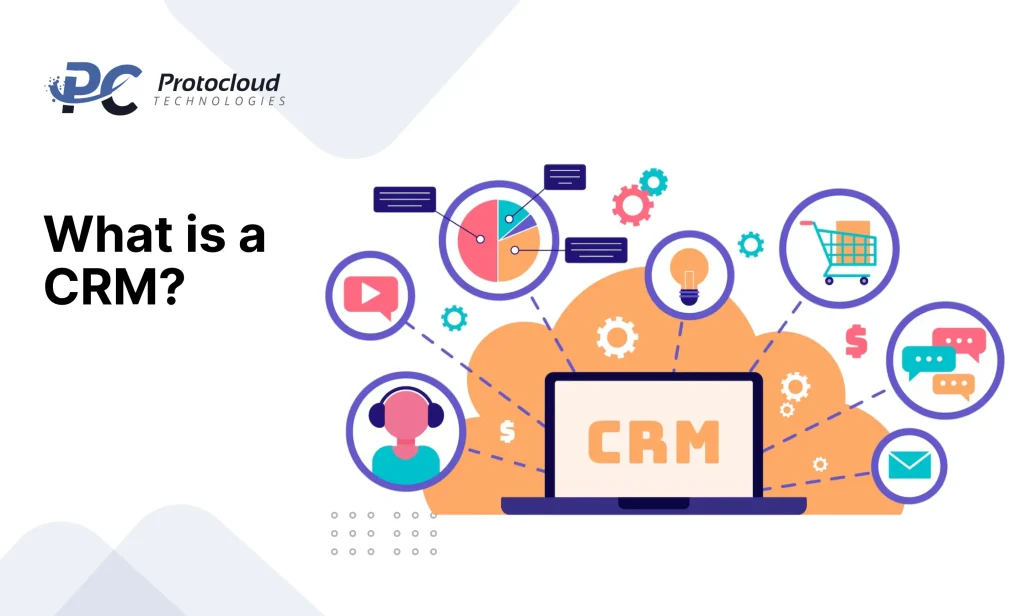
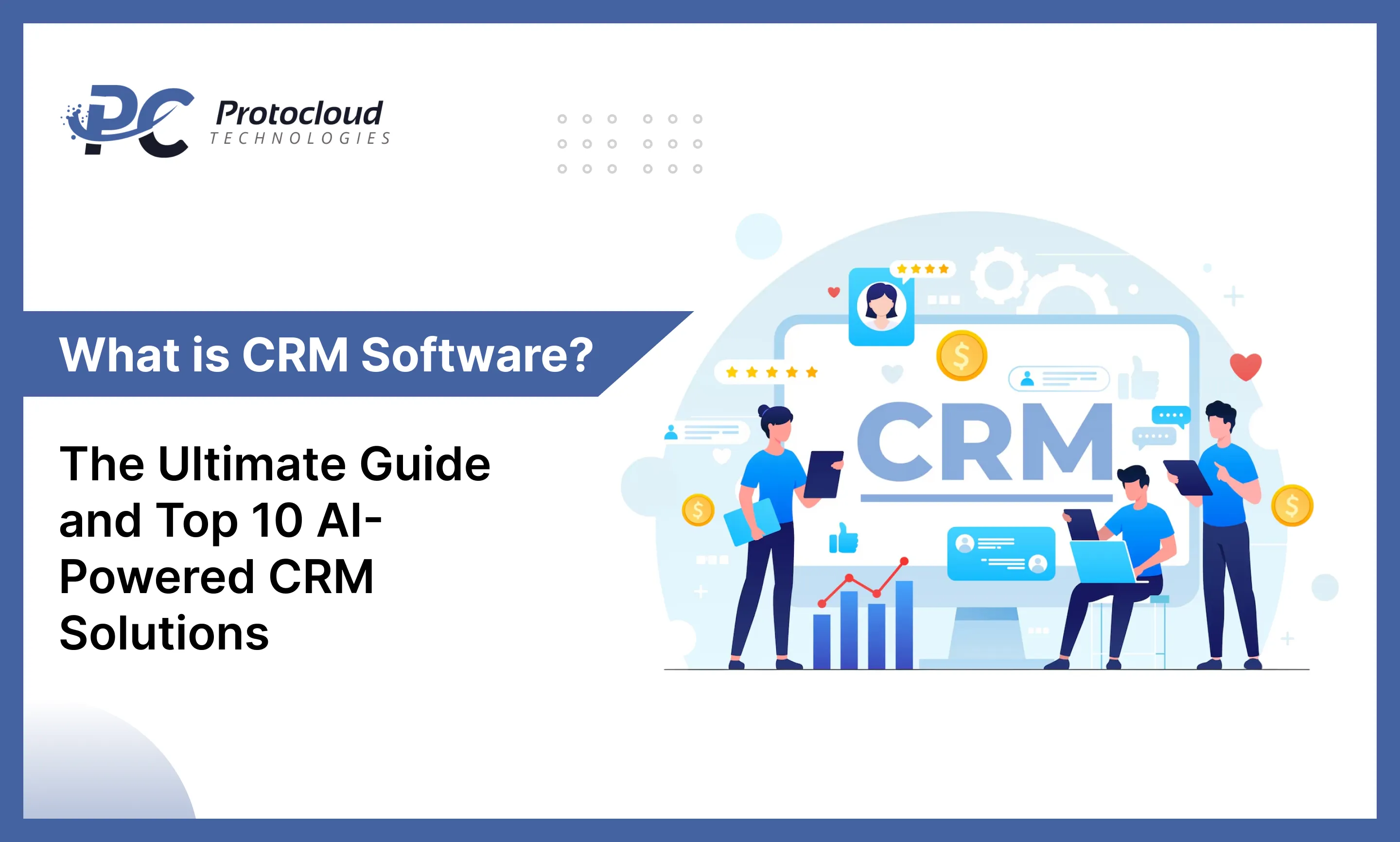
Customer Relationship Management (CRM) software is a platform that helps businesses manage interactions with customers and prospects. Decades ago, sales teams used simple tools like Rolodexes to store contact details. Today, CRM software has evolved into a powerful digital system that stores conversations, customer data, and sales activities in one place.
A CRM works as a central hub for multiple teams, including sales, marketing, and customer support. It allows everyone to access the same customer data, improving communication and collaboration. This unified system helps businesses build stronger relationships and drive consistent growth.
What is CRM Software Used For?
CRM software is used to create a complete view of each customer. It helps businesses track every interaction, whether it’s an email, phone call, meeting, or social media message. This ensures that no important detail is missed.
It also plays a key role in lead management, allowing businesses to track where a customer is in the sales journey—from the first interaction to closing the deal. CRM tools also improve sales forecasting by analyzing past data to predict future revenue.
Common Uses of CRM Software:
- Storing contact details and purchase history
- Automating tasks like follow-up emails
- Supporting marketing campaigns with targeted messaging
- Managing customer support and service tickets
- Generating reports to track business performance
Understanding the Three Main Types of CRM
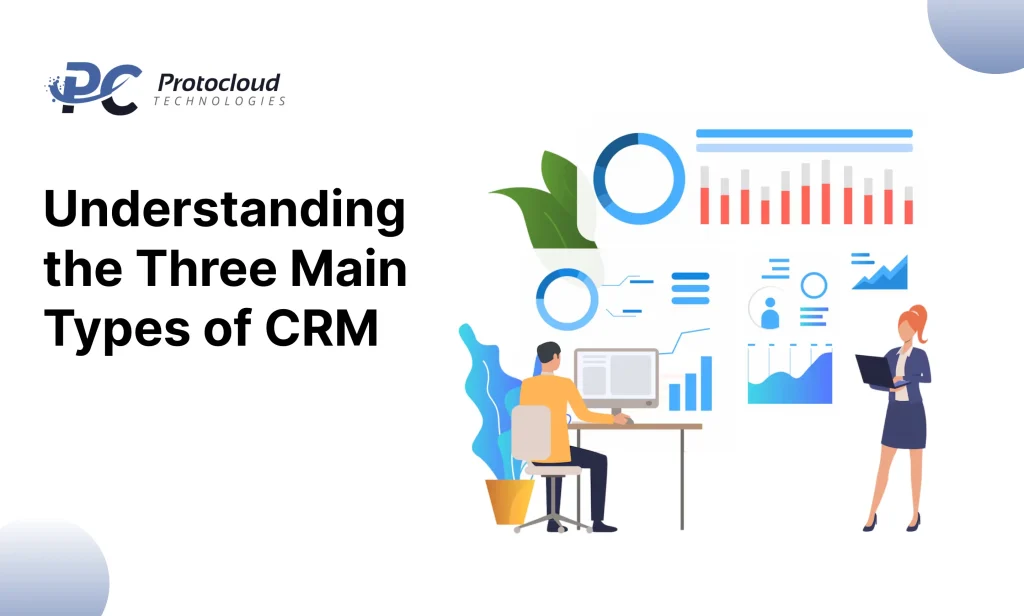
Most CRM platforms today combine three main types:
Operational CRM: Focuses on daily business processes such as sales, marketing, and customer service. It automates tasks and boosts efficiency.
Analytical CRM: Uses data and insights to understand customer behavior, preferences, and trends. This helps businesses make smarter strategic decisions.
Collaborative CRM: Ensures all teams share the same customer information, improving communication between departments like sales, marketing, and support.
When combined with AI, these CRM types become even more powerful, helping businesses operate as a unified system.
Why Your Business Needs an AI-Powered CRM
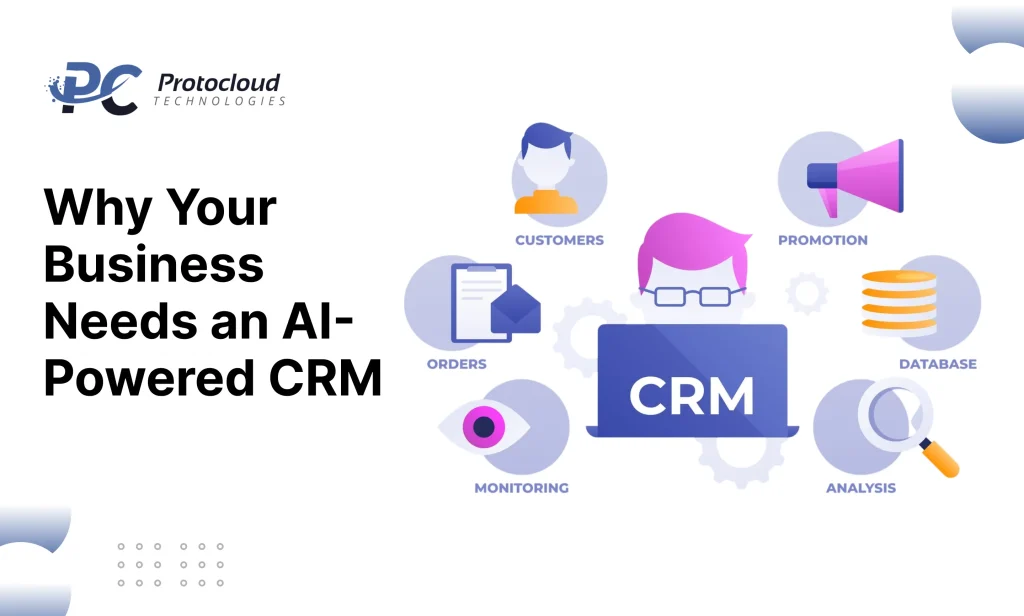
An AI-powered CRM does more than just store data—it analyzes and learns from it. It can identify which leads are most likely to convert, helping sales teams focus on high-value opportunities.
AI also enables automation, reducing manual work like data entry and follow-ups. This allows teams to spend more time building relationships and closing deals.
Key Benefits of Modern CRM:
- Centralized data for better organization
- Improved customer retention through personalized communication
- Increased efficiency with automation
- Scalability to support business growth
For small businesses and startups, AI CRM tools can significantly boost productivity without increasing team size.
Essential Features of the Best CRM Software in 2025
When choosing a CRM, it’s important to look for features that match your business needs.
Must-Have Features:
- Contact and lead management
- Sales pipeline tracking
- Workflow automation
- Marketing automation tools
- Email integration
- Mobile access
- Customization options
- Third-party integrations with tools like Slack, Zoom, and Gmail
These features help streamline operations and improve overall efficiency.
How Do CRM Platforms Use AI?
AI has become a core component of modern CRM platforms. It helps businesses turn large amounts of data into meaningful insights, enabling faster and smarter decision-making. With AI, companies can better understand customer behavior and improve their sales strategies.
One of the most valuable features is predictive analytics, which allows businesses to forecast future sales and identify high-potential leads. This helps teams focus their efforts where they matter most.
AI also automates repetitive tasks such as data entry, follow-ups, and workflow management. This saves time and increases productivity, allowing teams to focus on more important activities.
In addition, generative AI helps create personalized emails, messages, and marketing content. This makes customer communication more relevant and effective.
Overall, AI-powered CRM systems act like intelligent assistants that improve efficiency, enhance customer experience, and support long-term business growth.
10 Leading CRM Software Solutions to Streamline Operations
Choosing the right way to manage your customers can feel like picking a favorite child. You want something that plays well with others, doesn’t cost a fortune, and actually makes your life easier. As we move through 2025, the secret sauce in every successful office is an AI-powered CRM. These tools aren’t just digital address books anymore. They are smart assistants that help you predict what your customers want before they even know it themselves.
If you are looking for the best CRM software 2025 has to offer, you are in the right place. From small startups to giant companies, there is a perfect fit for everyone. Let’s break down the top CRM platforms and see which one deserves a spot on your computer.
1. monday CRM: Best for Automation
If you love seeing your work in bright colors and clean lines, this is for you. monday CRM features include a “no-code” setup, meaning you don’t need to be a computer genius to fix your sales flow. It uses AI CRM automation tools to suggest your next move, like sending a follow-up email after a call.
- Key Highlights: It offers great sales pipeline management CRM views, and auto-logs your emails.
- monday CRM pricing: Plans start at $12 per seat each month when paid for the year.
2. Zoho CRM: Great for Growing Teams
Zoho is like a Swiss Army knife. It has a tool for everything. Its AI assistant, Zia, is famous for finding the best time to call a lead. For many, this is the go-to CRM for small businesses because it grows as you do.
- Key Highlights: Excellent lead management CRM tools and real-time chat with customers.
- Zoho CRM pricing: They have a “Free Forever” plan for up to three users.
3. HubSpot CRM: The King of Free Tools
HubSpot is very popular because it lets you start for free. It is one of the most user-friendly HubSpot CRM tools on the market. It bridges the gap between your sales and marketing teams so everyone is on the same page.
- Key Highlights: Features CRM, email marketing tools, and generative AI to write your emails.
- HubSpot CRM features: It offers a 2-way data sync that keeps your records perfect.
4. Salesforce Sales Cloud: The Enterprise Choice
Salesforce is the big boss of the CRM world. It is built for CRM for enterprises that need to handle thousands of leads at once. With Salesforce Sales Cloud CRM, you get Einstein AI, which provides deep insights into your business health.
- Key Highlights: Thousands of CRM integration tools and smart lead routing.
- Salesforce Sales Cloud pricing: Starts at $25 per user, but can go up with extra add-ons.
5. Freshsales CRM: Simple and Smart
Freshsales is perfect for teams that want AI help without the headache. Its AI, Freddy, gives you predictive analytics CRM to show you which deals are likely to close. It is a solid choice for CRM for sales teams looking for a unified view.
- Key Highlights: Simple contact management CRM software and automated task creation.
- Freshsales pricing: They offer a 21-day free trial to test everything out.
6. Zendesk Sell: Best for Support-Led Sales
If your business focuses heavily on helping customers, Zendesk Sell is a top pick. It is one of the best CRM for customer support because it links directly to your help desk. This gives you CRM reporting and analytics that show the full customer journey.
- Key Highlights: Uses AI agents to solve quick problems and offers a great mobile CRM app.
- Zendesk Sell features: Real-time visibility into your sales funnel.
7. Less Annoying CRM: The Minimalist Pick
True to its name, this tool is for people who hate complicated software. It’s a great CRM for startups or solo workers. It focuses on the basics so you can spend more time selling and less time clicking buttons.
- Key Highlights: Easy lead tracking and a single-screen view for all contact notes.
- Less Annoying CRM pricing: A flat $15 per user each month. Very simple!
8. Pipedrive CRM: Visual and Intuitive
Salespeople built Pipedrive for salespeople. It is famous for its drag-and-drop sales pipeline management CRM. The Pipedrive CRM features include an AI email generator that drafts notes based on simple prompts.
- Key Highlights: Excellent CRM sales forecasting tools and custom dashboards.
- Pipedrive pricing: Starts at $14 per seat, making it very affordable.
9. Insightly CRM: Best for Service Projects
Insightly is unique because it blends sales with project management. It is a top-tier CRM for service business models. You can track a deal through the sales stage and then manage the actual project once the deal is signed.
- Key Highlights: CRM workflow automation and A/B testing for marketing.
- Insightly features: Deep customization options for your specific industry.
10. SugarCRM: Highly Customizable
SugarCRM is a CRM for B2B companies that want to build their own unique system. It offers SugarCRM platform features that let you change almost anything. It uses predictive analytics CRM to help you make better business choices.
- Key Highlights: Marketing automation across many channels and custom mobile layouts.
- SugarCRM pricing: Plans start at $19 per user, but require at least three users.
How to choose the right CRM software
Choosing the right CRM software doesn’t have to be complicated. Just follow these simple steps:
1. Understand Your Needs
Start by identifying what you want:
- More sales?
- Better customer support?
- Marketing automation?
Also consider your team size, budget, and future growth.
2. Research CRM Options
Look for trusted tools and read reviews on platforms like G2 and Capterra.
Ask other business owners what they use.
3. Check Key Features
Make sure the CRM includes:
- Contact & lead management
- Sales pipeline tracking
- Automation tools
- Easy integrations
Pick tools that match your daily workflow.
4. Try Free Trials
Most CRM platforms offer free trials. Test a few options and involve your team to see what works best.
5. Get Team Feedback
Ask your team:
- Is it easy to use?
- Does it save time?
- Does it improve productivity?
A user-friendly CRM is always better.
6. Make Your Decision
Compare features, pricing, and feedback. Choose a CRM that fits your current needs and can grow with your business.
How Protocloud Technologies can help
Protocloud Technologies makes AI-powered CRM tools simple and effective. We help you move beyond basic spreadsheets to a fully automated sales pipeline management CRM.
As a top IT service provider and training academy, we support your growth by:
- Custom CRM Setup: We build and tweak CRM software features to fit your specific business needs.
- Smart Integrations: Our team connects your CRM with third-party integrations like your website, email, and mobile apps.
- AI Automation: We set up CRM workflow automation so you can focus on closing deals instead of manual data entry.
- Expert Training: Through our academy, we teach your team how to use predictive analytics CRM to find the best leads.