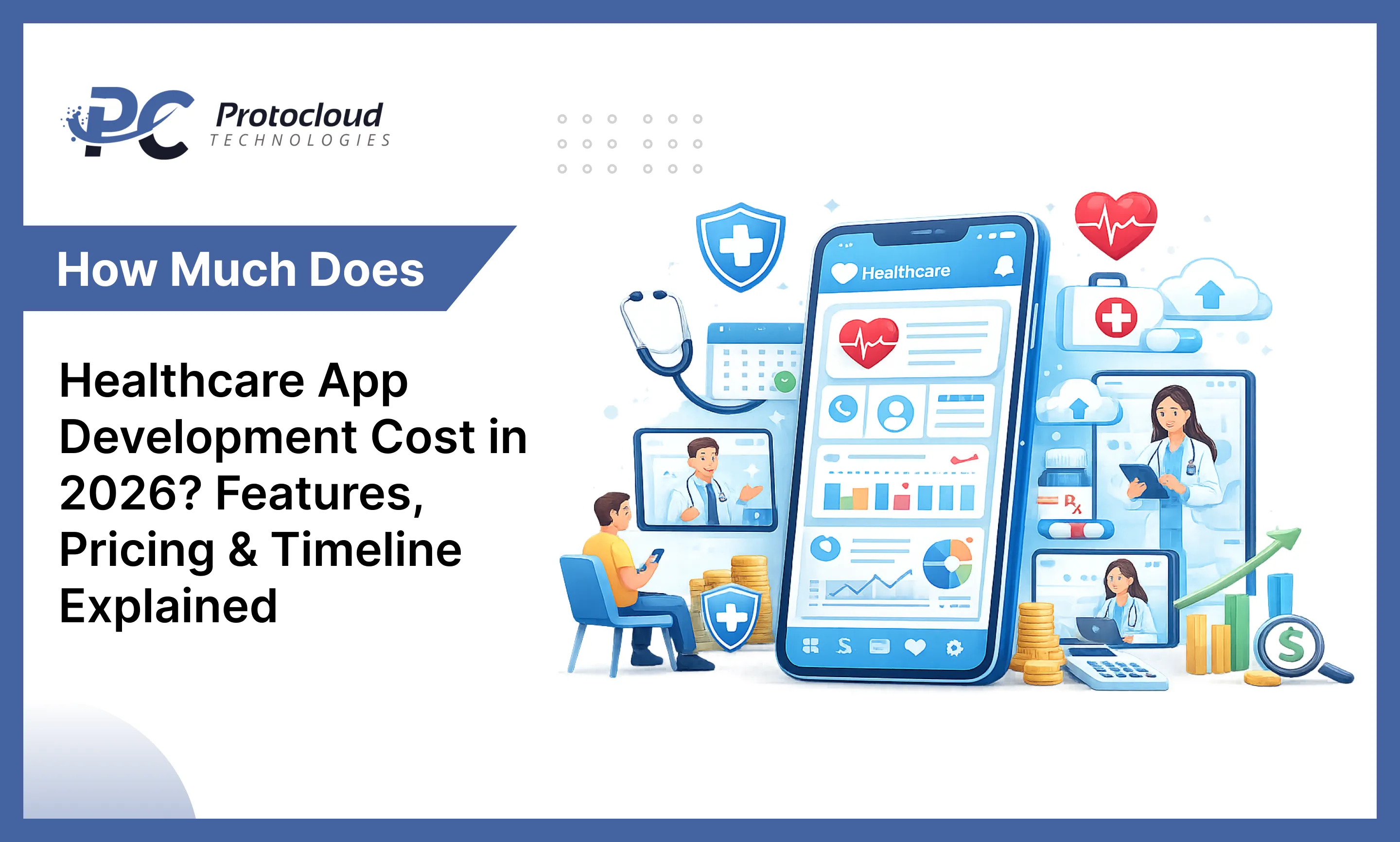
Planning to build a healthcare app but unsure where to begin or how much it will cost? You’re not alone.
Many businesses struggle to estimate the real healthcare app development cost. A simple patient app may cost under $50,000. But a full telemedicine platform can easily cross $300,000.
Here’s the deal:
Healthcare apps are different from regular apps. They manage sensitive patient data and must follow strict security standards. That is why healthcare software development costs more than normal app projects.
In this guide, you’ll learn the healthcare app development cost in 2026, pricing by app type, major cost factors, and ways to plan your budget smartly.
Why Healthcare App Development Costs More Than Regular Apps
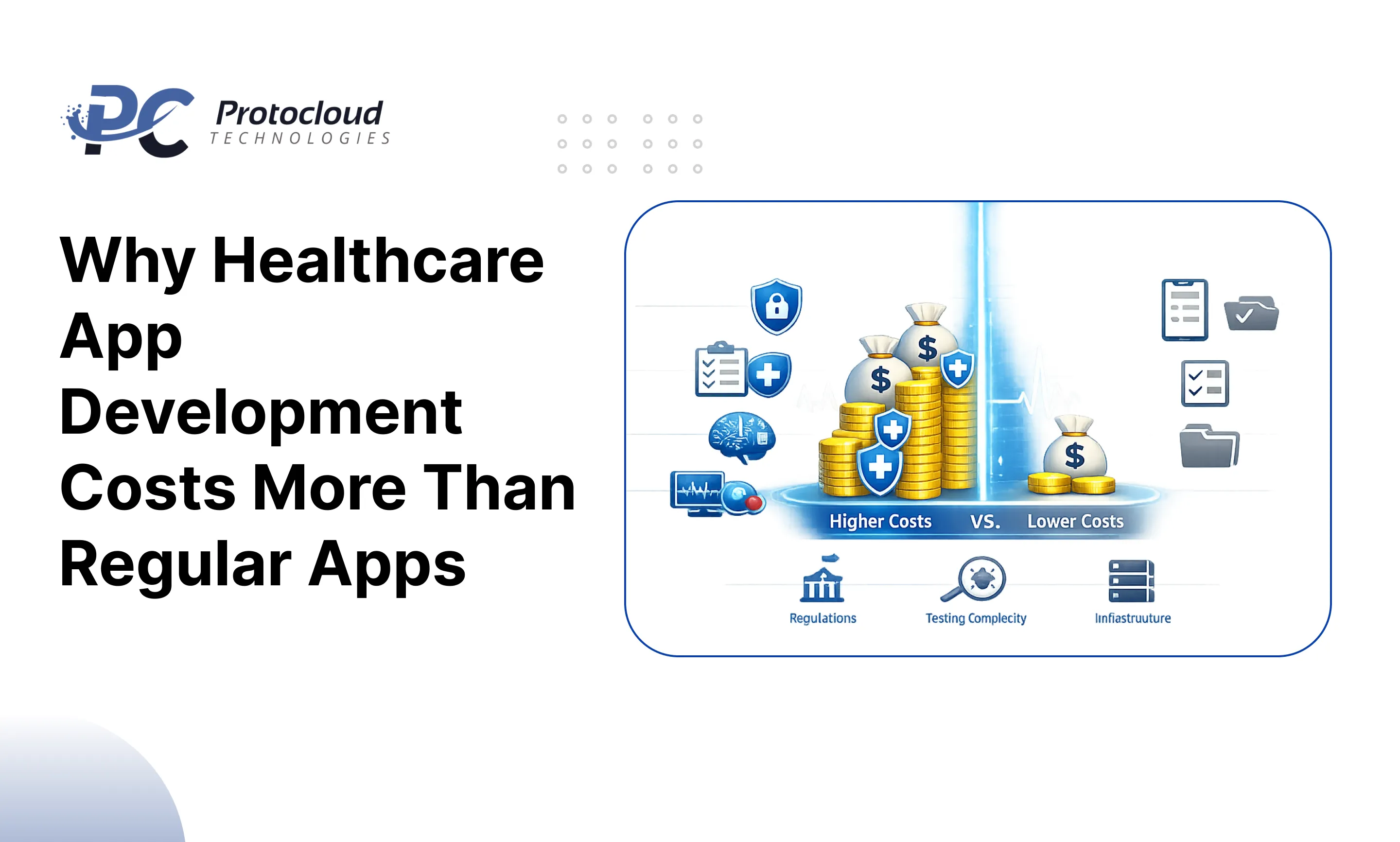
Medical software needs advanced protection. A social media app focuses on engagement. But a HIPAA healthcare app focuses on security, privacy, and compliance.
HIPAA-compliant app development increases costs by 20–40%. Developers must encrypt PHI data and protect every patient record from cyber threats.
Healthcare apps also require:
- Business Associate Agreements (BAA)
- Security audits
- Penetration testing
- Threat monitoring
- Secure healthcare cloud infrastructure
In simple terms, healthcare app security is not optional. The Cost of a data breach in 2026 is extremely high. Legal penalties and trust loss can damage a business permanently. That is why experienced healthcare app developers invest heavily in backend security and compliance.
Healthcare App Cost by Type
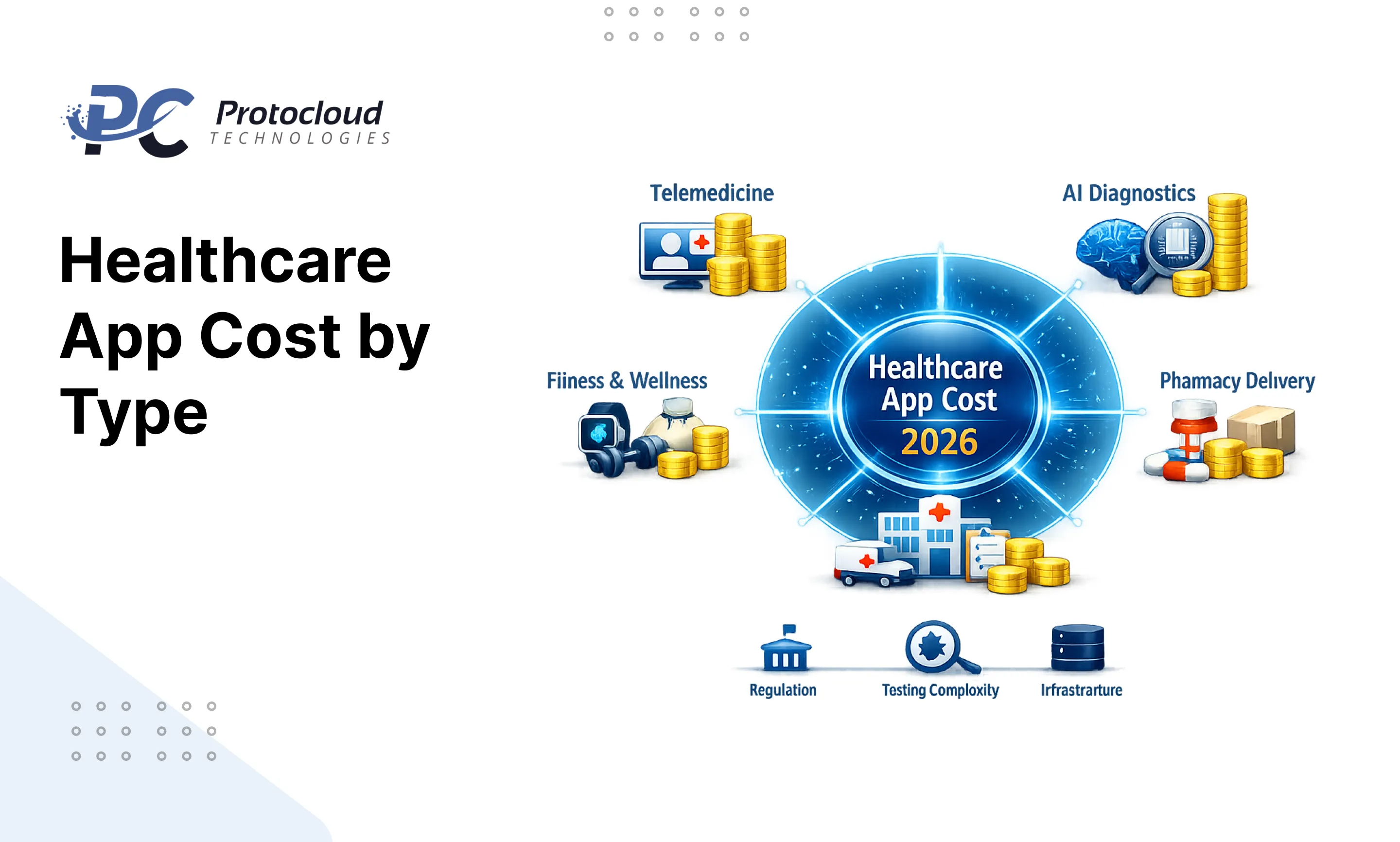
The medical app development cost changes based on app complexity, integrations, and features.
Telemedicine App
A telemedicine app development cost usually ranges from $70,000 to $120,000. These apps include:
- Secure video consultation
- Appointment booking
- E-prescriptions
- Healthcare messaging app features
High-quality streaming APIs and end-to-end encryption increase development costs.
Remote Patient Monitoring (RPM)
Remote patient monitoring app development costs between $80,000 and $150,000.
These apps sync with wearable healthcare devices and monitor live patient data like heart rate and blood pressure. The biggest challenge is accurate data synchronization.
Mental Health App
Mental health app development costs around $60,000 to $130,000. Modern platforms now use AI-powered healthcare app features like mood tracking and personalized therapy support. Privacy protection remains critical for these apps.
AI-Powered Healthcare App
AI healthcare app development costs usually start from $150,000 and can exceed $300,000. These apps require:
- AI models
- Clinical data processing
- Bias testing
- Privacy audits
AI tools can help with diagnosis and treatment suggestions. But strict healthcare app compliance checks are necessary before launch.
EHR and Clinical Management Systems
EHR software development and clinical management software development are among the most expensive healthcare solutions.
Most projects range from $150,000 to $500,000+.
These systems manage hospital workflows, patient databases, and thousands of daily users.
Health Benefits Management Platform
Health benefits management apps usually cost between $100,000 and $200,000.
These platforms connect employers, employees, and insurance providers using secure payment and insurance systems.
Healthcare App Development Cost Breakdown by Stages in 2026
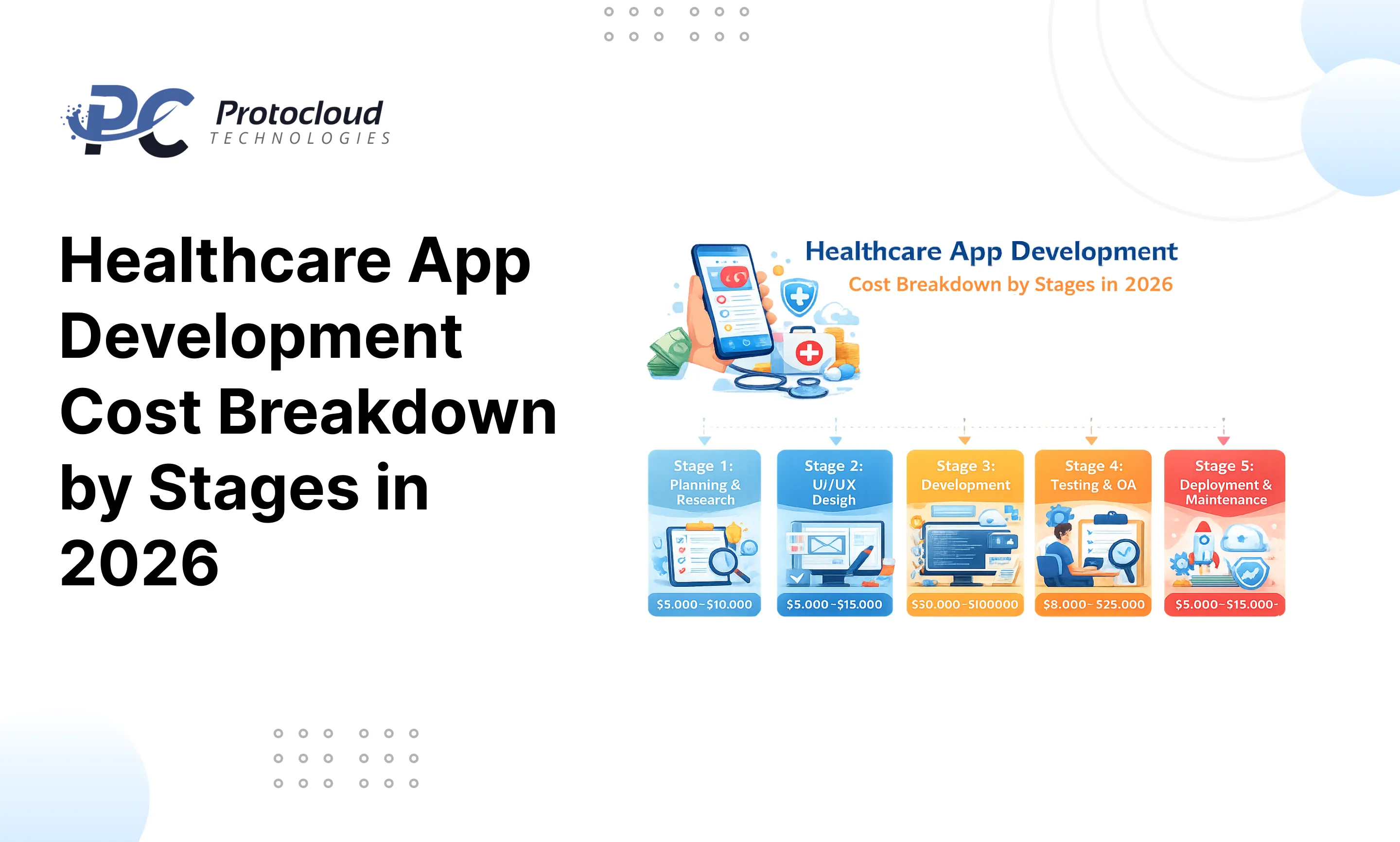
Healthcare app development cost is one of the first things businesses think about before starting a healthcare app project.
Here’s the deal:
Healthcare mobile app development is a long process. Every stage adds to the total budget and timeline. From healthcare market research to app maintenance, each step affects the final healthcare mobile app cost.
In 2026, the average medical app development cost ranges from $40,000 to $400,000, depending on features, security, integrations, and platform choice.
Let’s break it down stage by stage.
01. Conduct Market Research
Estimated Cost: $2,000 – $10,000
Timeline: 1–2 weeks
Healthcare market research helps businesses understand users, competitors, and healthcare app functionalities before development starts.
This stage includes:
- Studying competitors
- Identifying market gaps
- Understanding patient needs
- Researching healthcare technology trends
A strong research phase creates a better healthcare app development process and reduces future risks.
02. Define Mobile App Features and Functionalities
Estimated Cost: $4,000 – $20,000
Timeline: 2–4 weeks
This stage focuses on planning key healthcare app features and future scalability. Businesses usually begin with a healthcare app MVP to reduce development costs. Core features may include:
- Appointment booking
- Video consultations
- Patient records
- Notifications
- Healthcare app integrations
Feature prioritization helps control healthcare app budgeting and improves launch speed.
03. Craft a Business Plan
Estimated Cost: $2,000 – $10,000
Timeline: 1–2 weeks
A healthcare business plan defines the app’s goals, revenue model, and healthcare app profitability strategy. This phase includes:
- Healthcare app monetization planning
- Financial projections
- User acquisition planning
- Growth strategy
A clear business plan improves long-term success.
04. Choose the Right Platform
Estimated Cost: $5,000 – $25,000
Timeline: 2–4 weeks
Platform selection affects healthcare app performance and total Cost.
Businesses choose between:
- iOS healthcare app development
- Android healthcare app development
- Cross-platform healthcare app development
Frameworks like Flutter and React Native lower the Cost of healthcare cross-platform apps. However, native development offers better performance for complex healthcare apps.
05. Choose the Right Tech Stack
Estimated Cost: $2,000 – $20,000
Timeline: 1–2 weeks
The healthcare app tech stack supports app scalability, speed, and security.
This stage includes:
- Choosing programming languages
- Selecting databases
- Planning backend systems
- Building healthcare app architecture
A strong healthcare app technical architecture supports long-term growth.
06. Secure Data and Compliance
Estimated Cost: $5,000 – $25,000
Timeline: 2–3 weeks
Healthcare app security is critical in healthcare software development. Apps must follow:
- HIPAA-compliant app development
- GDPR compliant healthcare app standards
- PIPEDA compliance requirements
Security measures include:
- Healthcare data encryption
- Secure healthcare servers
- Healthcare cybersecurity monitoring
- Annual HIPAA risk assessment
Strong compliance protects patient data and builds trust.
07. Design UI/UX
Estimated Cost: $5,000 – $50,000
Timeline: 4–6 weeks
Healthcare UI/UX design improves healthcare app user engagement and retention. Designers create:
- Wireframes
- App prototypes
- User-friendly interfaces
Simple and clean healthcare app design improves user satisfaction.
08. Develop the App
Estimated Cost: $5,000 – $200,000
Timeline: 8–12 weeks
This is the main development phase. Healthcare app developers handle:
- Front-end coding
- Backend systems
- Healthcare app integrations
- Epic integration healthcare app setup
- Cerner integration healthcare app support
Complex healthcare app functionalities increase development time and Cost.
09. Test and Launch the App
Estimated Cost: $5,000 – $10,000
Timeline: 3–5 weeks
Healthcare app testing ensures everything works smoothly before launch. Testing includes:
- Performance testing
- Integration testing
- Bug fixing
- Security testing
After testing, the app moves to healthcare app deployment and app store launch.
10. Maintain the App
Estimated Cost: $5,000 – $30,000 annually
Timeline: Ongoing
Healthcare app maintenance costs continue after launch. This includes:
- Healthcare app updates
- Bug fixes
- Security monitoring
- Healthcare app backups
- Operating system updates
Most businesses spend 15–20% of the original build cost yearly on maintenance.
Mobile App Development Cost Breakdown by Stages
Here’s a quick overview of the total Cost and timeline for building a healthcare app:
| Step | Estimated Cost | Development Timeline |
| 1. Conduct Market Research | $2,000 – $10,00 | 1–2 weeks |
| 2. Define Mobile App Features and Functionalities | $4,000 – $20,000 | 2–4 weeks |
| 3. Craft a Business Plan | $2,000 – $10,000 | 1–2 weeks |
| 4. Choose the Right Platform | $5,000 – $25,000 | 2–4 weeks |
| 5. Choose the Right Tech Stack | $2,000 – $20,000 | 1–2 weeks |
| 6. Secure Data and Compliance | $5,000 – $25,000 | 2–3 weeks |
| 7. Design UI/UX | $5,000 – $50,000 | 4–6 weeks |
| 8. Develop the App | $5,000 – $200,000 | 8–12 weeks |
| 9. Test and Launch the App | $5,000 – $10,000 | 3–5 weeks |
| 10. Maintain the App (Annually) | $5,000 – $30,000 per year | Ongoing (Annual Updates) |
| Total | $40,000 – $400,000 | 18–34 weeks (initial) |
Ongoing Costs After Launch
Healthcare app development services continue long after deployment. A healthcare app is never “finished.” It needs constant monitoring, updates, and protection.
Annual HIPAA Risk Assessment
Healthcare laws change regularly. That’s why annual HIPAA risk assessments are necessary. These audits help your app remain compliant and secure.
For apps serving global users, GDPR compliant healthcare apps and PIPEDA-compliant healthcare apps requirements also increase compliance costs. In simple terms, legal compliance protects both your users and your business.
Healthcare Cloud Infrastructure
Secure healthcare servers are expensive. Healthcare cloud infrastructure must support encrypted storage, high uptime, and secure access control. Specialized healthcare app cloud hosting costs more than standard hosting.
But there’s a catch:
Cheap servers can expose patient data and increase cybersecurity risks. That’s why healthcare software development companies invest heavily in secure healthcare platforms and disaster recovery systems.
Security Monitoring and Data Protection
Healthcare cybersecurity is now a top priority. Modern healthcare app security monitoring systems track suspicious login activity and possible hacking attempts.Healthcare app login tracking and automated threat alerts help prevent attacks before damage happens. Data backups are equally important. Secure healthcare app backups ensure patient records stay protected even during server failures.
Healthcare App Maintenance Costs
Healthcare app maintenance costs usually equal 15–20% of the original build cost every year. This includes:
- Healthcare app updates
- Healthcare app bug fixes
- OS compatibility updates
- Performance optimization
- Security improvements
Without regular maintenance, even the best healthcare mobile app development project can fail.
Factors That Affect Healthcare App Development Cost
Many businesses ask: “How much does healthcare app development cost in 2026?” The answer depends on several key factors.
01. Compliance Requirements
Compliance directly affects pricing. A HIPAA-compliant healthcare app costs less than a solution supporting HIPAA, GDPR, and PIPEDA together.
Healthcare app legal compliance also impacts healthcare app data storage requirements and backend infrastructure choices.
02. Third-Party Integrations
Healthcare app integrations increase complexity. Connecting with systems like Epic integration healthcare app or Cerner integration healthcare app takes time and advanced engineering expertise. Older healthcare systems often use outdated architecture. That creates additional development work.
03. Platform Choice
Healthcare app native development for both iOS and Android costs more.
Cross-platform healthcare app development with Flutter healthcare app development or React Native healthcare app development reduces costs by 30–40%. The good news is:
Cross-platform apps also speed up development cycles.
04. AI Features
AI healthcare app development is growing rapidly. Features like healthcare app voice tools, AI automation, and predictive analytics require advanced healthcare software engineers. Training AI models on medical data also increases operational costs.
05. Development Partner Location
A healthcare app development company in North America charges more than offshore healthcare app development teams in Asia or Eastern Europe. However, outsourcing only works when the team understands healthcare app compliance regulations and US healthcare laws.
Smart Strategies to Reduce Healthcare App Development Cost
Now let’s talk about cost optimization. Here are proven ways to reduce healthcare app development costs without hurting app quality.
01. Prioritize an MVP First
A healthcare app MVP focuses only on essential features. Instead of building everything at once, launch faster with core functionality. Healthcare app MVP development offers major benefits:
- 40–60% lower initial Cost
- Faster launch timelines
- Better feature prioritization
- Real user feedback
- Easier investor funding
This healthcare app development strategy reduces risk significantly.
02. Plan for Scalability Early
Healthcare app scalability planning saves money later. Apps often fail because they cannot handle user growth. Plan your healthcare app architecture and technical infrastructure from the beginning. That includes:
- Flexible backend systems
- Secure healthcare cloud infrastructure
- Faster database performance
- Scalable APIs
Long-term planning improves healthcare app performance and reduces future redevelopment costs.
03. Outsource Healthcare App Development
Building an in-house team is expensive. Healthcare app outsourcing companies already have experienced healthcare app developers, project managers, and compliance experts. Offshore healthcare app development also reduces hiring and infrastructure costs.
Many businesses save 30–40% through outsourcing while still getting high-quality results. But choose wisely. Your development partner should understand healthcare app compliance, healthcare app security, and patient data protection.
04. Use Cross-Platform Development
Cross-platform healthcare app development is one of the smartest cost-saving strategies in 2026. Using Flutter healthcare app development or React Native healthcare app development helps businesses:
- Reduce development costs
- Share one codebase
- Speed up launch
- Simplify maintenance
This approach works especially well for startups and MVP launches.
05. Reuse Existing Tools and Frameworks
Building everything from scratch increases costs quickly. Instead, many healthcare app development services use trusted frameworks and open-source tools. For example:
- Firebase healthcare app integration for authentication
- Stripe healthcare app integration for payments
- Twilio healthcare app integration for communication
Healthcare app code reuse also improves development efficiency.
Basic modules like login systems and navigation patterns do not need custom coding every time.
Healthcare App Monetization Strategies
Once your app launches, revenue generation becomes the next focus. The right healthcare app monetization strategy depends on your audience and app purpose
01. In-App Purchases
Healthcare app in-app purchases work well for premium reports, wellness plans, and advanced analytics. Users can pay for additional consultations or premium healthcare content.
02. Subscription-Based Model
Subscription-based healthcare apps generate recurring income. This model works perfectly for:
- Telemedicine subscription apps
- Mental wellness apps
- Remote monitoring platforms
- Personalized healthcare coaching
Recurring revenue improves business stability.
03. Freemium Model
The healthcare app freemium model attracts users quickly. Users access basic features for free and pay for premium upgrades later. This strategy boosts healthcare app engagement and user retention.
04. Advertising
Healthcare app advertising models generate income from health-related ads. Apps with large audiences often display ads for:
- Fitness products
- Insurance plans
- Wellness tools
But there’s a catch: Too many ads can hurt user experience.
05. Sponsored Content
Healthcare app sponsored content involves partnerships with healthcare brands. Pharmaceutical companies or wellness businesses may sponsor educational content or promotional campaigns inside the app.
06. Paid Apps
Some businesses choose a paid healthcare app model. Users pay once to download the app. This works best for apps with unique healthcare technology solutions or expert medical resources.
07. Affiliate Marketing and Lead Generation
Healthcare affiliate marketing helps apps earn commissions through referrals. For example, apps can recommend pharmacies, supplements, or healthcare services.
This healthcare lead generation app strategy creates additional revenue streams.
How Protocloud Helps Build Healthcare Apps That Deliver Value
At Protocloud, we understand healthcare app development beyond coding. We focus on creating healthcare digital transformation solutions that improve patient outcomes and business growth.
Our team combines healthcare industry expertise with modern healthcare software development practices.
Here’s how we help:
Transparent Cost Planning
We provide realistic healthcare app cost estimates based on your goals, features, and scalability requirements. That helps businesses avoid hidden operational costs later.
Advanced Technical Expertise
From AI-driven telemedicine solutions to healthcare app wearable integration, we help businesses choose the right technologies for long-term growth. We also focus heavily on healthcare app security, compliance, and performance optimization.
End-to-End Development Support
Our healthcare app development support covers every stage:
- Healthcare app market research
- UI/UX design
- Development
- Testing
- Deployment
- Maintenance services
You stay focused on healthcare innovation while we handle the technical side.
Proven Industry Experience
Our team has delivered secure, scalable, and user-friendly healthcare software development projects for global healthcare brands. That experience helps us create healthcare apps that users trust.
Conclusion
Healthcare app development cost depends on far more than coding. Ongoing maintenance, healthcare app security, compliance audits, cloud hosting, and scalability all affect your long-term investment.
The good news is:
Smart planning can reduce costs significantly. Using healthcare app MVP development, cross-platform healthcare app development, outsourcing, and reusable frameworks helps businesses launch faster and stay within budget.
If you want secure, scalable, and future-ready healthcare mobile app development, partnering with the right healthcare app development company makes all the difference.
At Protocloud, we help businesses build healthcare apps that deliver real value, strong performance, and long-term growth.
FAQs
How much does healthcare app development cost in 2026?
Healthcare app development cost ranges from $40,000 to $500,000, depending on features, compliance, integrations, and AI functionality.
Why is healthcare app maintenance important?
Healthcare app maintenance keeps the app secure, updated, and compatible with new operating systems while protecting patient data.
Is cross-platform healthcare app development cheaper?
Yes. Cross-platform healthcare app development using Flutter or React Native reduces development and maintenance costs by 30–40%.
What are the best monetization strategies for healthcare apps?
Popular healthcare app monetization strategies include subscriptions, freemium models, in-app purchases, advertising, and affiliate marketing.
Why should businesses outsource healthcare app development?
Offshore healthcare app development helps businesses reduce operational costs while gaining access to experienced healthcare app developers and compliance experts.