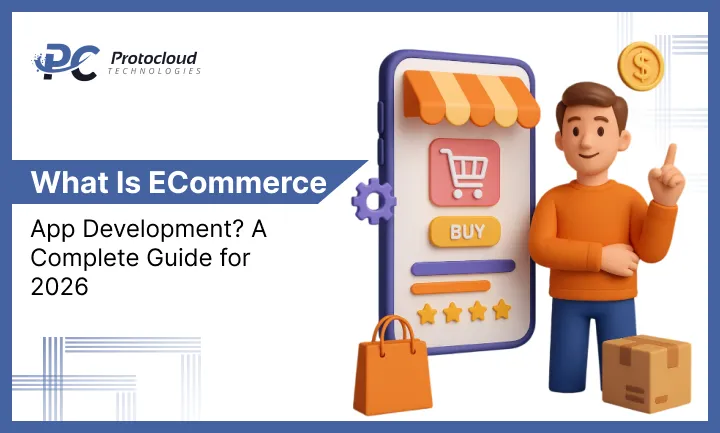
Global eCommerce sales are on fire. Experts predict they will smash the $8.1 trillion mark by the end of 2026. This isn’t just a small trend anymore. It is a massive shift in how the world works. If you want your business to survive, a simple website won’t cut it. You need a high-performing ecommerce mobile app.
Today’s shoppers grew up with smartphones in their hands. They don’t just want to shop—they want it fast. They want ecommerce app personalization. They want things to be easy. If your store isn’t a tap away, you are losing money to someone else. eCommerce app development is the bridge between a struggling store and a global powerhouse.
2026 is shaping up to be a big year for eCommerce. Nobody can deny this. Online retail sales worldwide are expected to reach $8 trillion by 2027. This means a 39% growth. Furthermore, analysts expect more than 42% of the world’s population to make online purchases this year. This is a record in scale and spending power.
What is eCommerce App Development?
In simple terms, eCommerce app development is building digital transactions. These applications are like marketplaces. Customers can enter through their mobile devices. This allows a business to easily showcase its offerings. Users can then view, compare, and purchase things or services from anywhere.
Essentially, these applications function as virtual stores. They are also a great choice for growing startups. They help in promoting market reach and customer engagement. They also improve worldwide sales. The increasing interest in ecommerce mobile app development signifies a shift toward the digitalization of transactions.
Types of eCommerce Applications
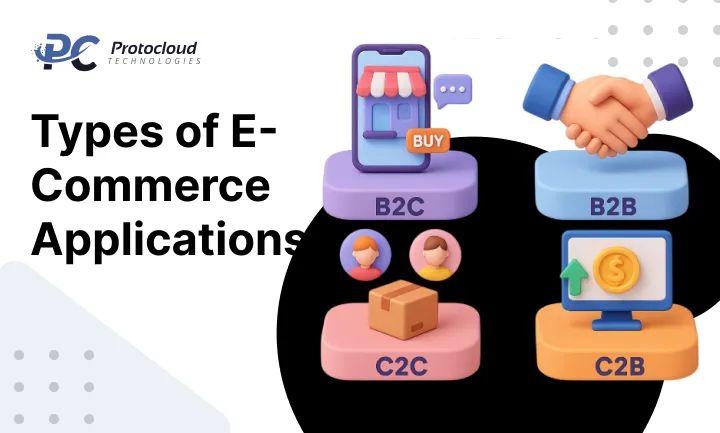
Not every online store works the same way. Before you hire an ecommerce app development company, you need to know which model fits your goal. Most apps fall into these main categories. Each one serves a different purpose for the modern economy and ecommerce market.
- B2B (Business-to-Business): B2B ecommerce app platforms are for trade between businesses. Companies source raw materials or wholesale products here. For instance, Alibaba links manufacturers and retailers for bulk purchases. Amazon Business offers solutions for office supplies in larger quantities.
- B2C (Business-to-Consumer): These B2C ecommerce app versions connect businesses directly with individual consumers. They are designed for user convenience and direct-to-consumer shopping. Amazon and Walmart are great examples. Even Domino’s allows users to experience food delivery ordering and tracking.
- C2C (Consumer-to-Consumer): C2C ecommerce app platforms connect people who sell to other customers. They provide listings or auctions. An example is an ecommerce app like OLX or Craigslist. Also, an ecommerce app like eBay acts as an auction platform for bidding on items.
- C2B (Consumer-to-Business): C2B ecommerce app models show how consumers provide goods to businesses. These consumers are often freelancers. For example, iStock helps photographers sell work to businesses. GitHub serves as a ground for project builders to work with companies. Clutch also helps businesses seeking specific solutions.
Benefits of Developing an eCommerce App
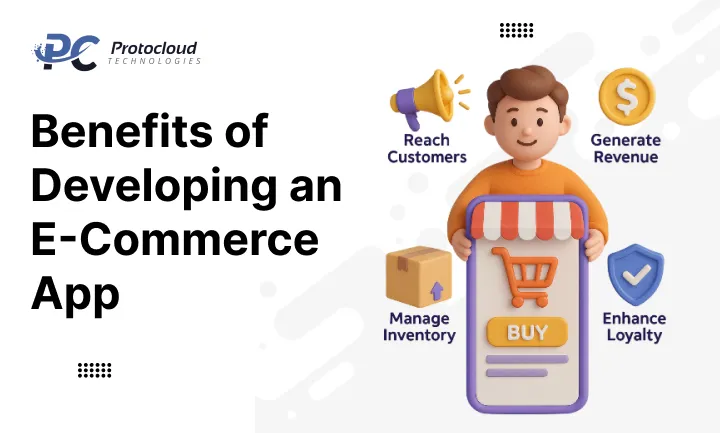
eCommerce application development gives real value to modern businesses. It improves operations, builds strong customer relationships, and increases profit over time. Today, mobile commerce app development and m-commerce app development are not just trends; they are the future. They are powerful tools for growth.
When you invest in ecommerce mobile app development, you create a direct connection with your customers. Your business becomes faster, smarter, and more accessible. Let’s understand the benefits clearly.
1. Increased Reach and Accessibility
One of the biggest benefits of ecommerce mobile app development is reach. Your business is no longer limited to just one place. A custom ecommerce app development project puts your store in your customer’s pocket.
People can access your app anytime, anywhere. They don’t need to wait or visit a physical store. This removes location barriers and opens your business to a global audience.
With better access, you get more users, more traffic, and more sales opportunities. This is why many brands invest in ecommerce app development services early.
2. Enhanced User Experience
Mobile apps are built for speed and ease of use. A good app offers a smooth and simple journey. This improves the overall ecommerce app user experience.
A strong ecommerce app UI UX design ensures users can browse, search, and buy without confusion. Fast loading and clean design keep users engaged for longer.
When users feel comfortable, they are more likely to complete purchases. This improves customer satisfaction and encourages users to come back.
3. Improved Customer Loyalty
Customer loyalty is easier to build with an app. Features like rewards, points, and offers help businesses create strong connections.
With ecommerce app loyalty programs, users feel valued. They keep returning to earn rewards. This increases repeat purchases.
You can also use ecommerce app push notifications to send special deals and updates. These reminders keep your brand top of mind for users.
Over time, this builds trust and long-term relationships with customers.
4. Direct Marketing Channel
An app gives you a direct way to talk to your customers. You don’t need third-party platforms to reach them.
Using ecommerce app push notifications, you can send real-time updates. You can instantly inform users about offers, discounts, or new products.
These messages appear directly on the user’s phone. This increases visibility and improves ecommerce app customer engagement.
Direct communication also improves your marketing results and reduces dependency on ads.
5. Enhanced Brand Presence
Having an app strengthens your brand identity. Each time users check their phone, your app stays right in front of them. This constant visibility builds strong brand recall. It helps your business stay top of mind with customers.
eCommerce application development helps you create a professional image. It shows that your brand is modern and reliable.
In a competitive market, a strong brand presence gives you a clear advantage.
6. Rich Data Insights
Apps collect valuable user data. This includes behavior, preferences, and buying patterns. With ecommerce app analytics, you can understand what your users like. You can easily see what works and what doesn’t.
These ecommerce app data insights help you make better decisions. You can improve products, pricing, and marketing strategies. You can also use this data for ecommerce app personalization. This makes the shopping experience more relevant for each user.
7. Streamlined Sales Process
Mobile apps make buying easy. They reduce steps and save time. Features such as saved addresses, one-tap checkout, and fast payments enhance the shopping experience. This supports better ecommerce app checkout optimization.
A smooth process means fewer drop-offs. Users complete purchases quickly without frustration.
This directly improves your conversion rate and overall sales performance.
8. Increased Conversion Rates
Apps convert better than websites. They are faster, more personalized, and easier to use. With the help of ecommerce app development services, businesses can create high-performing apps. These apps provide better experiences than traditional websites.
Fast speed, simple navigation, and targeted offers increase conversions.
This makes online shopping app development a high-return investment for any business.
9. Scalability
As your business grows, your app should grow with it. This is where ecommerce app scalability becomes important. A well-developed app can handle more users, more orders, and more data without slowing down.
During sales events or festive seasons, traffic increases. A scalable app ensures smooth performance even during peak times. This helps your business operate without interruptions and improves customer satisfaction.
How to Build an eCommerce App: The Ultimate Guide for 2026
Building an ecommerce app is a step-by-step process. It needs a clear plan, the right tools, and a smart strategy. In 2026, competition is high. So, you need a strong approach to stand out.
A well-defined ecommerce app development process helps you build a fast, secure, and user-friendly app. Let’s understand each step.
1. Market Research and Planning
The first step in building an ecommerce app is research. You need to understand your market before you build anything.
Start by identifying your target audience. Learn about their needs, habits, and preferences. Then study your competitors. See what they do well and where they fall short. This helps you define your unique value. It also helps in planning your features and strategy.
A clear plan sets your goals and direction. It also supports your ecommerce growth strategies for 2026.
2. Define User Requirements and App Features
Now, focus on what your users need. This step shapes your entire app. List all important ecommerce mobile app features. These usually include:
- User registration and login
- Product catalog
- Search and filters
- Shopping cart
- ecommerce app payment integration
- Customer support
Prioritize features based on user needs. This ensures your custom ecommerce app development project stays focused and useful.
3. UI/UX Design
Design decides how users feel about your app. A clean and simple design improves the ecommerce app user experience.
In mobile commerce app development, your app should be easy to navigate. It should look good and work smoothly. A strong ecommerce app UI UX design increases engagement. It also helps users complete purchases without confusion.
Good design builds trust and brings users back again.
4. App Development
This is where your app is built. It includes both the ecommerce app frontend development and ecommerce app backend development.
The frontend is what users see. The backend handles data, orders, and systems. Both must work together perfectly.
Use the right ecommerce app development technologies. This ensures speed, security, and ecommerce app scalability.
Development also includes:
- ecommerce app API integration
- Payment system setup
- Inventory management
This stage is the core of your app’s performance.
5. Quality Assurance and Testing
Testing ensures your app works properly. A strong ecommerce app testing process helps you avoid problems.
You need to test:
- Features and functions
- Speed and performance
- Security
- User experience
Good testing improves ecommerce app performance optimization and ecommerce app security. It also ensures users have a smooth, error-free experience.
6. Launch
After testing, it’s time to go live. A strong ecommerce app launch strategy helps you reach users quickly. Publish your app on platforms like Google Play and App Store. Promote it using marketing campaigns.
Make sure your onboarding process is simple. Users should understand how to use your app easily. A smooth launch creates a strong first impression.
7. Post-Launch Monitoring and Updates
After launch, your work continues. You need to monitor your app regularly. Use ecommerce app analytics to track performance. Collect user feedback and improve your app.
Regular updates include:
- Bug fixes
- Feature updates
- Performance improvements
- ecommerce app maintenance
Use ecommerce app data insights to make better decisions. This keeps your app updated, relevant, and competitive in the long run.
Features for E-commerce Application Development
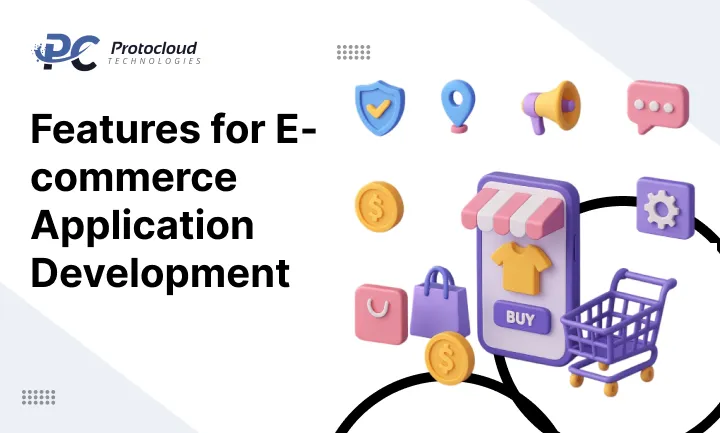
A good ecommerce mobile app focuses on features that boost usage, build trust, and increase sales.
- User-Friendly Navigation: A clean interface with intelligent search and filters lets users find products quickly. Simple navigation means less friction and higher ecommerce app checkout optimization.
- Secure Payments: We need to integrate CC, UPI, and Wallet Gateways for versatility. Customer information stays safe when we use strong encryption and remain compliant with GDPR, PCI DSS, and CCPA.
- Personalized Recommendations: Use AI to learn user behavior and personalize the ecommerce app. This increases upsell and repeat-purchase rates for a more personalized shopping experience.
- Push Notifications: Real-time ecommerce app push notifications keep customers informed of deals. This is a powerful tool for ecommerce app user retention and brand recall.
- Multi-Platform Support: Apps are now expected to be consistent across iOS, Android, and tablets. This ensures your brand reaches millions and increases total revenue through m-commerce app development.
Technologies for High-Performing and Secure eCommerce App Development
Adapting the latest technologies ensures your app performs well and stays safe. Here are the most important technologies for your app:
- Artificial Intelligence and Machine Learning: In addition to user experience, an ecommerce business app should include an intelligent assistant. Use AI to answer queries instantly with a chat feature.
- Augmented Reality: Customers can see and try products in real life, virtually. This helps them feel more confident about their purchases.
- Blockchain: This ensures secure transactions and transparency with tamper-proof ledgers. It is especially useful for building trust in financial processes.
- Cloud Computing: Cloud technology provides ecommerce app scalability. It offers robust storage solutions and seamless real-time data access while reducing infrastructure costs.
- Progressive Web Apps: PWAs work like both a website and an app. They are fast, work offline, and don’t require app store downloads.
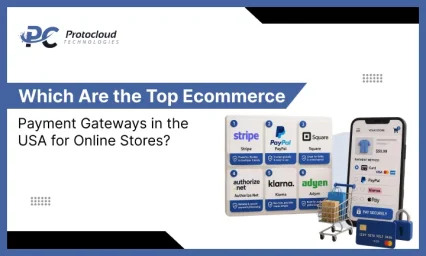
- Secure Payment Gateways: The app integrates with advanced gateways like PayPal, Stripe, or Apple Pay. These include fraud detection features to keep users safe.
Key Challenges in eCommerce App Development
Every project faces hurdles. Here are the key ecommerce app challenges you might meet:
- Security Risks: Apps handle private names and payment data. Cyberattacks and breaches damage your reputation. Use encryption and ecommerce app security protocols to reduce these threats.
- Scalability Issues: Unready apps crash during seasonal spikes. Without an open cloud infrastructure, businesses lose revenue. A robust backend helps your app handle heavy loads.
- User Retention: Users are fleeting. Churn occurs when the design is poor or the support is slow. Use ecommerce app loyalty programs and regular updates to keep people engaged.
- Integration Complexities: Apps must work with ERP, CRM, and POS systems. Bad ecommerce app API integration leads to efficiency problems. Professional developers ensure these connections are smooth.
Aspects to Consider Before Building an eCommerce App
Businesses must consider several things before starting ecommerce app development services.
- Target Audience & Niche: This helps you prioritize features. B2C ecommerce app users want speed. B2B ecommerce app users need order management. Knowing your niche leads to better ROI.
- Regulatory Compliance: All apps must follow data privacy laws. Standards like GDPR and PCI-DSS safeguard sensitive information. Staying compliant helps you become a trusted party to your users.
- Platform Choice: Decide between native apps or hybrid frameworks. Native is faster for ecommerce app like Amazon-style experiences. A hybrid approach is often cheaper for an ecommerce app than a native one.
Cost to Develop an eCommerce Application.
The ecommerce app development cost varies based on features and tech stack.
1. Basic eCommerce App: Simple apps with catalogs and carts cost $15,000–$25,000.
2. Mid-Level App: Apps with analytics and loyalty programs cost $30,000–$60,000. These suit growing businesses.
3. Enterprise-Grade App: Large apps with AI and ERP access cost $70,000 to $150,000. They are for companies competing at scale.
4. AI-Powered Apps: Apps with AR or predictive analytics cost $100,000–$200,000+. These help companies become future-proof.
5. Maintenance: Ongoing expenses are usually 15% to 20% of the total investment annually. This includes hosting and bug fixes.
Monetization Models and Revenue Strategies for 2026
In 2026, ecommerce app revenue models are about more than just selling items. You want stability and multiple income sources.
- Direct Product Sales: Sell products straight to your customers. You keep full control over your branding and pricing.
- Subscription Plans: Offer memberships for free delivery or early access. This ecommerce subscription model provides a steady monthly income.
- Marketplace Commission Model: If you run an ecommerce app like eBay, charge a percentage on every transaction.
- Advertising: Open up ad spots for sponsored products. This brings extra income without hurting the user experience.
- Insight-Based Revenue: Use ecommerce data monetization by selling trends to other brands while following privacy laws.
- Headless Commerce: Use a headless commerce ecommerce setup to sell everywhere. This improves your omnichannel ecommerce strategy and boosts loyalty.
Why Partner with Protocloud Technologies for Your eCommerce App Development?
It is simple. We offer end-to-end delivery with zero guesswork. We handle everything from the ecommerce app development process to ecommerce app maintenance. You won’t have to juggle different teams. Our ecommerce app development agency focuses on a mobile-first approach. Since mobile drives most sales, our online shopping app development focuses on speed and retention.
We use the latest ecommerce app development technologies like AI and AR. These features drive a high ROI. Our apps also come with a robust ecommerce app backend development to handle growth. We ensure ecommerce app scalability so your store never crashes. Whether you need a B2B ecommerce app or a B2C ecommerce app, we customize the solution for you. We are a top ecommerce app development company that builds solutions tailored to your specific needs.
Strategy for Every Business Model
Our ecommerce application development services cover all models. Do you want an ecommerce app like Amazon? Or an ecommerce app like Flipkart? We can help. We also build powerful ecommerce marketplace apps.
- Custom eCommerce App Development: We build unique apps that reflect your brand.
- eCommerce App UI UX Design: We focus on a smooth ecommerce app user experience.
- eCommerce App Payment Integration: We provide one-click ecommerce app checkout optimization.
Conclusion
The demand for ecommerce app development services in India is at an all-time high in 2026. Investing in a feature-rich app is the only way to grow. At Protocloud, we are proud to be a leading ecommerce app development partner. We help you use ecommerce growth strategies 2026 to build loyalty. Whether you are an ecommerce app for startups or an ecommerce app for fashion brands, we have the tools to help you succeed—partner with an custom ecommerce app development company that cares about your long-term ROI.