In today’s fast-moving digital landscape, on-demand app development services are changing how businesses run, connect with customers, and deliver everyday services. From ride-hailing and food delivery to healthcare and home services, on-demand platforms have become part of daily life.
As smartphone usage continues to grow and user expectations keep rising, 2026 is set to bring new opportunities and innovations in the on-demand space. Startups, enterprises, and even traditional businesses now rely on on-demand solutions to stay relevant and competitive.
Below is a detailed look at the key On-Demand App Development trends that are expected to shape the market in 2026.
1. Double Down on Motion Design
Static designs are becoming a thing of the past. When a user opens an app, they want to feel like it is alive. This is where motion design in mobile apps comes into play. It is a powerful tool to “grab” your user’s attention and keep them focused.
Motion UI design includes things like:
- Animated icons that react to touch.
- Smooth scrolling that feels natural.
- Small “macro-interactions” that provide feedback.
Take Domino’s as a great example. A top mobile app development company added refined motion features to its app. The result? A 23% increase in conversion rates. This proves that animated app design isn’t just for show. It actually helps users move through the app faster. It delivers a remarkable experience that saves time. If you want to keep users engaged, you need to make motion a core part of your UI/UX design strategy.
2. AI: The Mainstream Design Tool 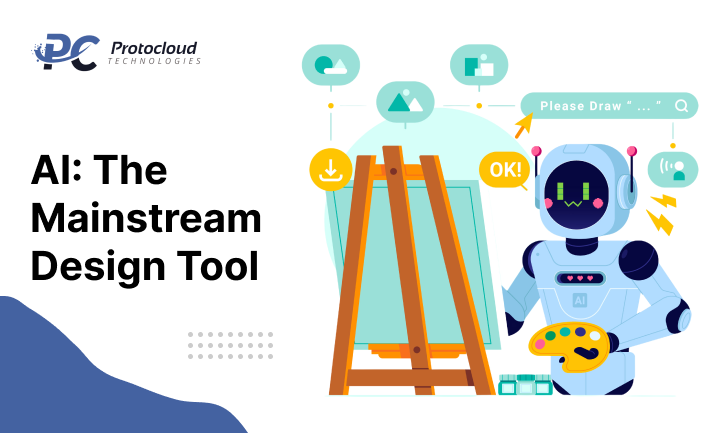
You can’t talk about mobile app design trends without mentioning Artificial Intelligence. AI has moved from a sci-fi dream to a daily tool for designers. We now have an AI-powered app design that uses “computational design.” This means programs can automatically generate parts of an interface.
This speeds up the process significantly. Artificial intelligence in UI/UX helps designers test different page versions in seconds. AI isn’t here to replace human designers. But it’s here to handle the hard work for you. It can mimic human decision-making to create layouts that work.
Beyond simple graphics, AI is great for UX iterations. For instance, an AI can create ten different landing page versions to see which one converts best. This makes AI in mobile app design a must-have for teams who want to move fast. It ensures that data, not just gut feelings, back the final product.
3. Smart and Inclusive UX App Designs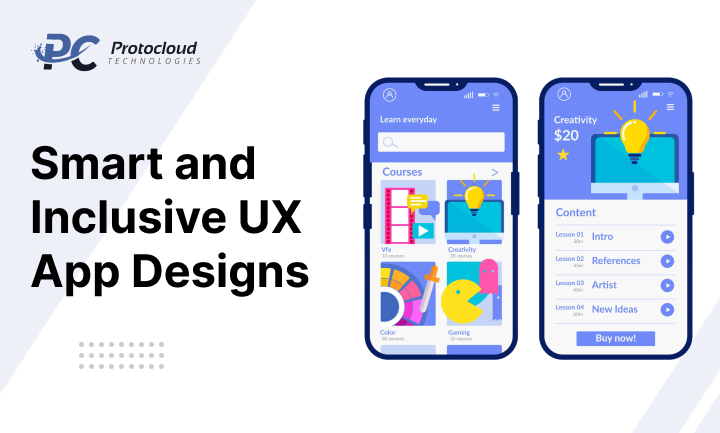
Users need to see themselves in your app. If they don’t, they won’t feel a connection. This is why inclusive UX design is one of the most important mobile app trends. It means building apps for everyone, regardless of their background.
A famous example is the game “Rust.” The creators decided to randomise player skin colours. This decision represented every demographic and became a huge hit. It showed that people value being seen. When you focus on accessible mobile apps, you expand your reach.
This is a key part of clever UX design. You should consider factors such as font size, colour contrast, and voice navigation. Using an AI-powered app design can even help you scan your app for accessibility gaps. Making your app inclusive isn’t just a nice thing to do. It is an innovative business. It builds trust and loyalty with a much wider audience.
4. The Rise of Touchless UI
Did you know 43% of consumers in the UK are open to using touchless technology today? This shift started during the pandemic, but it is here to stay. People now prefer interfaces they don’t have to touch. This includes facial recognition and biometric authentication apps.
Most of us now unlock our phones with our faces or fingerprints, making access quick and effortless. Now, finance and payment apps are using these mobile UI design trends as a standard security layer. But touchless tech goes even further. We are seeing gesture control mobile apps that let you control the screen by moving your head.
Some newer apps can even track your eye movements to help you scroll through content. These mobile app development trends are setting the stage for a hands-free future. It makes the user experience feel more intuitive. Whether it’s through voice or motion, touchless is the next frontier in UI/UX design trends.
5. Camera-Focused Mobile Apps
Video is king. Since the rise of remote work, video conferencing app development has seen massive growth. Users love broadcasting their lives and connecting with friends through a lens. This is why camera-focused mobile apps like TikTok are dominating the charts.
TikTok now has over 1.7 billion users worldwide. People want to share their stories in real-time. They want the tools to make those videos look amazing. This trend is spreading to other areas, such as streaming and social media niches.
Businesses that lean into mobile app development trends centred on the camera will win. It is about creating a social network that feels personal. If your app doesn’t have a strong video component, you might be missing out on a massive chunk of user engagement. This is especially true for brands focusing on social media app development.
6. Low-Code and No-Code Platforms
In the past, you needed a team of developers to build anything. Now, low-code app development is changing the game. These platforms let non-technical people make their own tools. An HR manager can automate paperwork without writing code.
No-code app development empowers the people closest to the problems to fix them directly. It saves time and lowers the cost of entry. However, there is a catch. Using low-code or no-code platforms can sometimes lead to “shadow IT.”
This happens when departments build tools that the main IT team doesn’t know about. It can cause security gaps. Innovative companies set clear boundaries and data access rules. This enables rapid innovation without breaking the tech stack. It is a vital part of digital transformation trends for modern businesses.
7. New Audio-Focused Social Media Platforms
Video is huge, but don’t ignore the power of the human voice. Audio-based social media apps are carving out a unique space. Clubhouse started this trend by offering a spontaneous way to join chat rooms.
This voice-based app model has grown by 100% in the last four years. It proves that people still value deep, real-time conversations. Audio is becoming a “meta-trend” that goes beyond just social media. It is about “listening” while doing other things.
We can expect to see more clubhouse-like apps or audio features on existing platforms. Audio allows for a multitasking-friendly experience. You can listen to a debate while driving or cooking. This makes it a very sticky format for users. In custom mobile app development, the ear is now just as important as the eye.
8. Apps for Foldable and Wearable Devices
Hardware is changing. When Samsung launched the Galaxy Fold, it signalled a shift in mobile hardware. Users now want apps that can transition from a small screen to a large one. At the same time, wearable app development is exploding.
People now rely on smartwatches for things they once did on their phones, and the wearable market is growing fast—at an estimated 13.6% each year. Designing for these devices is a unique challenge. Smartwatch app development requires tiny, clear interfaces.
Foldables need “split-screen” layouts that actually make sense. If you want to stay relevant, your business mobile apps must work across all these form factors. Users expect consistency. They want to check a notification on their watch and finish the task on their phone. Brands that master these mobile app design trends will win the device landscape.
9. Predictive Analytics for Personalisation
We have mentioned this before, but it is getting much smarter. Predictive analytics in mobile apps uses AI to guess what a user wants next. You see this on Netflix every time they suggest a show.
In 2026, this will be mainstream. No two users should have the same experience in your app. By using data mining, you can create a personalised mobile app experience for everyone. This helps you present the right product at the right time.
It analyses a user’s behaviour history to make informed guesses. It’s one of the strongest ways to earn credibility and build absolute trust. If your app feels like it knows the user, they will keep coming back. It turns a generic tool into a personal assistant. This is a core part of enterprise mobile app development today.
10. Extended Reality (XR)
Extended reality XR apps are no longer just for gamers. While we all know AR filters, major companies are now using XR for virtual training. AR VR app development is becoming a standard marketing strategy.
The XR market is projected to reach nearly $600 billion by 2030. Augmented reality mobile apps let customers “try on” clothes or see how furniture looks in their house. This drives massive conversions.
Using a virtual reality app design helps businesses stand out. It captures attention like nothing else. Imagine a car company letting you take a virtual test drive from your couch. This is the future of mobile app development. It connects the digital experience with the real world in a smooth, natural way.
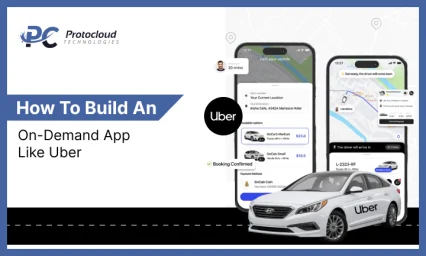
11. On-Demand App Development
The on-demand economy is set to reach $335 billion by 2025. On-Demand App Development is the future because people want things “now.” Whether it is food or a ride, users expect an app to solve their problems instantly.
For developers, on-demand app development means building fast, reliable apps. These platforms simplify the process of custom mobile app development. Leveraging on-demand app development can make your business much more visible.
It fosters brand awareness and helps you reach customers when they need you most. To get this right, you should partner with an experienced mobile app development company. They can help you master the art of on-demand app development. This is not just a category; it is the new way to serve customers. With the right on-demand app development strategy, you can reach your niche faster than ever.
12. 5G Technology: The Speed King
5G technology in mobile apps is a total game-changer. It isn’t just about faster downloads. It is about reducing lag to almost zero. This gives developers the space to dream bigger.
We can now support real-time collaboration and high-definition video without any hiccups. 5G makes augmented reality mobile apps feel natural rather than clunky. It opens the door to things like instant telehealth and more intelligent supply chain monitoring.
For businesses, 5G is the backbone of innovation. It transforms everyday apps into intelligent systems. It allows for ultra-high-definition video and seamless IoT integration for business mobile apps. Without the speed of 5G, many of the latest mobile app trends wouldn’t be possible.
13. Beacon Technology and Proximity Marketing
Beacon technology is a quiet revolution. These compact devices use Bluetooth to send signals to nearby smartphones. When a user walks into a store, a beacon can send a personalised offer to their phone.
This is called proximity marketing apps. It connects the convenience of online shopping with the in-store experience. It makes the app feel “aware” of its surroundings. Developers love beacons because they make apps seem almost intelligent.
They can help users navigate a large airport or find a gate. It is a powerful tool for custom mobile app development. By using beacons, you can deliver meaningful experiences at precisely the right time. It is a great way to boost engagement in a physical location.
14. AI Chatbots
for Better Support
When was the last time you messaged a brand? It was likely an AI chatbot for the app that replied first. Chatbots have evolved. They no longer sound like robots; they sound like helpful humans.
By 2027, most customer interactions will be handled by bots. They are fast, never sleep, and can handle thousands of users at once. This is a vital part of chatbot integration in mobile apps.
Modern bots use Natural Language Processing to understand complex questions. This makes the user experience much smoother. For businesses, chatbots:
- Free up support teams for bigger tasks.
- Provide instant answers to common questions.
- Make the app feel more personal.
In the world of enterprise mobile app development, chatbots are a necessity. They ensure that your users never feel ignored.
15. Cloud Computing in Mobile Apps
Cloud computing in mobile apps is the silent backbone of the industry. Investment in cloud tech is hitting trillions of dollars. For developers, cloud-based app development is a lifesaver.
You no longer have to worry about running out of storage on a phone. The cloud handles all the heavy lifting—processing data and syncing files. Users don’t always see the cloud, but they notice when it’s gone.
It provides the speed and reliability people expect. Whether you are building a simple tool or a complex platform, the cloud ensures your app stays efficient. It is a key part of secure mobile app development because it allows for better data management.
16. Progressive Web Apps (PWAs)
While native apps are still big, PWA development is gaining fast. Progressive Web Apps run in a browser but feel like a real app. No need to download anything from an app store — it works instantly.
This removes a huge barrier for users. Twitter and Starbucks both saw massive gains after launching their PWAs. They are faster to build and work across all devices without separate coding.
Progressive web apps handle spotty internet better than standard websites. They offer offline access and push notifications. For companies on a budget, PWAs are a great way to reach more users. They solve the problem of “app fatigue.”
17.App Security and Privacy by Design
Data breaches are a nightmare. Users are now cautious about whom they trust. This is why privacy by design is a core part of mobile app data security.
Security isn’t just a checkbox; it must be the foundation of your app. You need encrypted connections and multi-factor logins. Following standards like GDPR and CCPA is a baseline requirement in 2026.
Secure mobile app development includes:
- App security and privacy protocols from day one.
- Strong encryption for all user data.
- Regular security audits to find gaps.
One mistake can cost you your reputation. This is especially true for apps handling health or financial data. If you want to win, you must make security your top priority.
How Protocloud Technologies Helps You Stay Ahead With Mobile App Trends
Protocloud is a trusted mobile app development company that builds future-ready digital products. Our user-first approach helps businesses adapt to emerging mobile app trends, including on-demand app development, while maintaining performance, security, and quality.
With 1000+ mobile app development experts, we deliver custom mobile app development for global brands and fast-growing startups. From AI-driven mobile app development and cloud-based mobile app development to iOS, Android, cross-platform app development, and on-demand app development, we turn ideas into scalable, next-generation mobile apps—end to end.
FAQs
What are some notable trends in mobile app development?
Some key mobile app development trends include AI-powered mobile solutions, extended reality (XR), IoT mobile app integration, and cloud-based mobile app development. Businesses are also adopting 5G mobile app development to deliver faster, more immersive experiences.
How do these trends impact mobile app projects?
These trends influence design, performance, and scalability. For example, AI-driven mobile apps enable personalisation, while augmented reality mobile apps improve engagement. Together, they help businesses build more innovative, competitive applications.
How can businesses stay updated with mobile app trends?
Businesses should stay up to date with industry insights, invest in mobile app trend consulting, and collaborate with experienced teams offering enterprise mobile app development and mobile app innovation services.
Which technologies define the future of mobile apps?
The future is shaped by AI analytics in mobile apps, virtual reality app development, 5G connectivity, and cloud-based mobile app development. These technologies support future-ready mobile applications that scale with user demand.