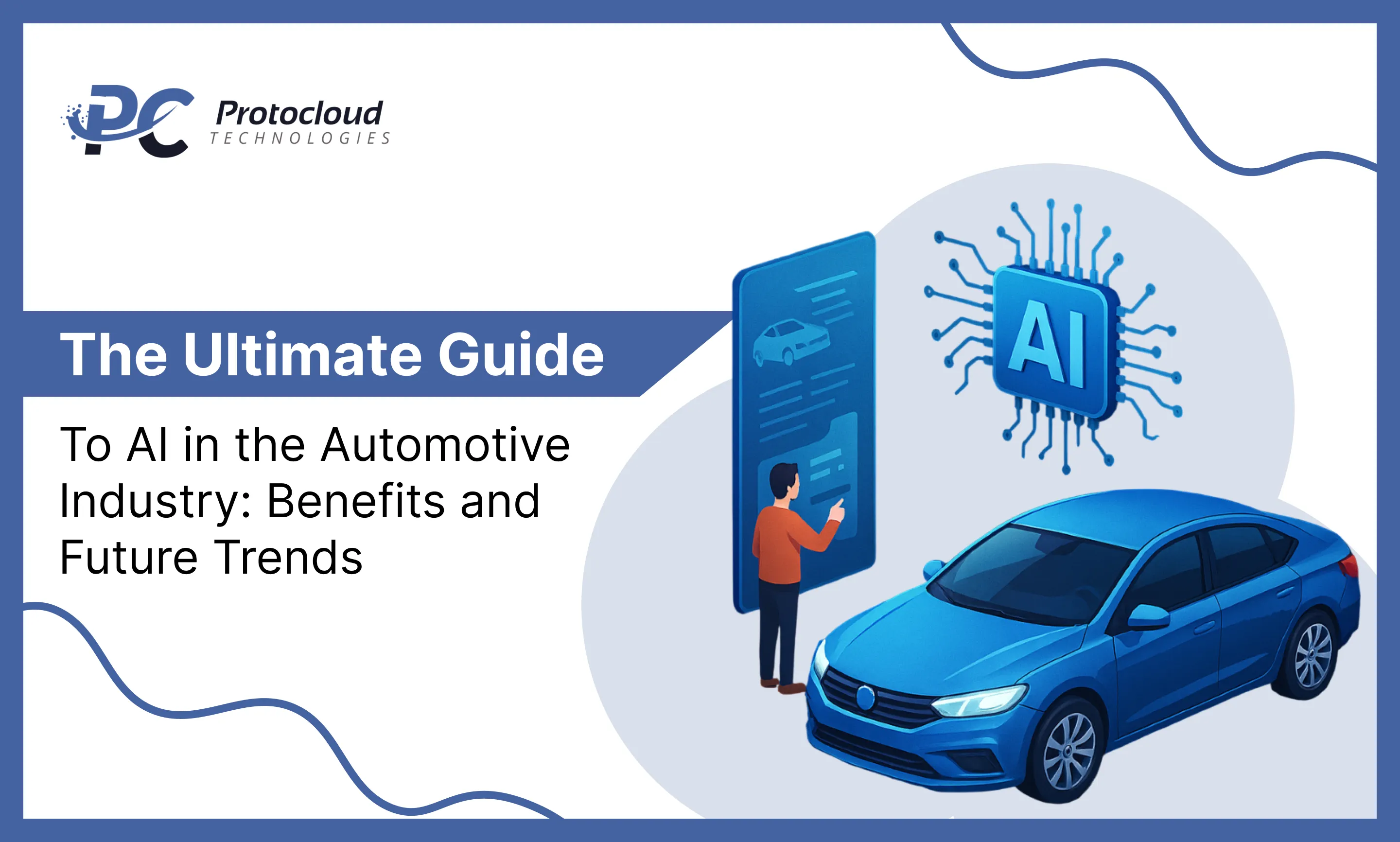
Artificial intelligence isn’t sci-fi anymore. It’s real, and it’s already part of our everyday life. It is here. It is real. And it is changing everything we know about cars. Today, AI in the automotive industry is the main engine driving innovation. It is transforming how we design, build, and drive our vehicles. From making our roads safer to creating more innovative ways to move, AI is the key to the future of mobility.
When we talk about artificial intelligence in cars, we aren’t just talking about robots. We are talking about more intelligent software that can think and learn. This technology helps car companies work faster. It allows drivers stay safe. Most importantly, it creates a better experience for everyone on the road. The benefits of AI in the automotive industry are growing every single day. If you want to know where the world of transportation is headed, you need to look at AI.
What Exactly Is AI in the Automotive Industry?
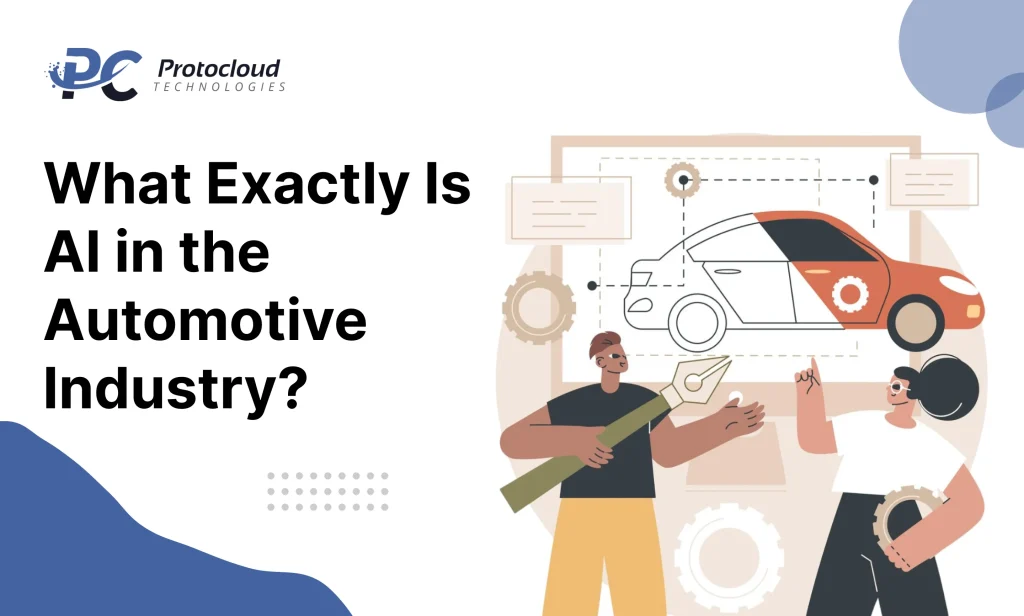
You might wonder, what does AI in the automotive industry actually mean? Simply put, it refers to innovative software systems. These systems can learn from data, analyze patterns, and make quick decisions. Most traditional cars use “fixed” rules. If you push a button, a light turns on. But automotive AI technology is different. It doesn’t just follow rules; it learns from experience.
These systems rely on a massive amount of data. This data comes from high-tech sensors, cameras, and radar. It also comes from the vehicle’s own software. Machine learning in automotive applications allows a car to “understand” the world around it. It can see a pedestrian. It can predict a traffic jam. It can even sense if the engine is about to have a problem. This ability to adapt makes AI in vehicles much more powerful than any technology we have seen before.
The Growing Impact of AI: Market Insights
The adoption of AI in the automotive industry is moving at lightning speed. Car makers are not just testing these tools. They are investing billions of dollars into them. Why? Because they have to. To stay competitive today, you must use automotive artificial intelligence. Customers now expect their cars to be as smart as their smartphones.
We are seeing a massive shift in how cars are made. Smart factories use AI to build parts with perfect precision. AI-driven manufacturing reduces waste and speeds up the assembly line. Meanwhile, intelligent and connected vehicles use the cloud to talk to other cars. This growing demand for “smart” features is pushing the entire industry to change how it does business.
- Safety First: Companies use AI to reduce accident rates significantly.
- Production Speed: AI helps factories build cars faster than humans ever could alone.
- Consumer Demand: People want cars that offer AI-powered mobility solutions.
- Market Growth: The value of the AI automotive market is hitting record highs every year.
Huge Benefits of AI in the Automotive Industry
The benefits of AI in the automotive industry reach every corner of the market. It isn’t just about cool gadgets in the dashboard. It is about saving lives. It is about saving money. For example, Advanced Driver Assistance Systems (ADAS) use AI to watch the road. If you drift out of your lane, the car gently steers you back. If a vehicle stops suddenly in front of you, your car can brake on its own.
These features make driving less stressful. But the benefits go even deeper. Think about predictive maintenance in vehicles. In the past, you waited for a light on your dashboard to blink. By then, the damage was done. Now, AI can listen to the engine. It can feel vibrations that a human can’t. It tells you to fix a part before it breaks. This saves owners thousands of dollars in repair costs over time.
How AI Is Transforming Every Level of the Industry
1. Better Vehicle Design and Engineering
Designers used to spend years drawing and testing new cars. Now, AI in the automotive industry speeds up this process. Engineers use AI to run thousands of virtual tests in seconds. They can see how air moves over the car to improve fuel gaps. They can test how different materials hold up in a crash without actually breaking a real car. This leads to higher-quality, safer AI-powered vehicles.
2. Smarter Manufacturing and Production
In the factory, AI in car manufacturing is a game-changer. Robots with “eyes” can see tiny defects that a human might miss. These AI-driven manufacturing systems never get tired. They handle heavy, repetitive tasks with total accuracy. Also, AI can predict when a supply chain might slow down. This helps car companies avoid delays and get cars to the
dealership faster.
3. An Intuitive In-Vehicle Experience
Have you ever talked to your car? That is artificial intelligence in cars at work. Modern vehicles use voice assistants to change the music or set a route. AI in vehicles also analyzes how you drive. If you seem tired, the car can suggest you take a break. Intelligent dashboards show you the most essential info right when you need it. This makes every trip more comfortable and personalized.
4. New Mobility and Transportation Services
The way we get around is changing. AI-powered mobility solutions, such as ride-sharing apps, use advanced algorithms. They find the fastest route and the closest driver. This reduces wait times and lowers costs. In the future, we will see even more smart transportation systems. These systems will manage entire fleets of cars to make sure traffic flows smoothly through big cities.
AI in Electric and Autonomous Vehicles
The future of AI in the automotive industry is tied closely to green energy. AI in electric vehicles is essential for managing the battery. AI calculates exactly how much range you have left. It looks at the weather, the hills, and your driving style. It can also manage how the battery charges to make it last for many years. This makes electric cars more reliable for everyone.
For AI in autonomous vehicles, the stakes are even higher. Self-driving cars must make split-second decisions. They use autonomous driving technology to process millions of data points every second. This includes seeing obstacles and following traffic laws. Vehicle-to-vehicle communication (V2V) even allows cars to “talk” to each other. If one car hits a patch of ice, it can instantly warn all the other vehicles behind it.
Key Strategies for Success with AI
Adopting AI in the automotive industry isn’t simple—it comes with real challenges. It requires a solid plan. Companies can’t just flip a switch. They need to be smart about how they use this tech. Success comes from focusing on the right areas first.
- Focus on Impact: Start with AI tools that immediately improve safety or save money.
- Data Quality: AI is only as good as the data it gets. Companies must collect high-quality information.
- Strong Partnerships: Many car makers team up with tech experts to build better systems.
- Security First: As cars get smarter, they must be protected from hackers.
- Train the Team: Workers need to learn new skills to work alongside automotive AI technology.
Challenges Facing the Industry
While the benefits of AI in the automotive industry are clear, there are hurdles. Building these systems is expensive. Smaller companies may find it hard to manage the high costs involved. There are also big questions about data privacy. Who owns the data your car collects? How do we keep it safe? These are questions that the industry is still trying to answer.
There are also legal challenges. If a self-driving car has an accident, who is responsible? Laws have not yet caught up with autonomous driving technology. Also, AI systems need millions of miles of testing. They have to prove they are safe in rain, snow, and heavy traffic. It takes time to build that kind of trust with the public.
The Exciting Future of AI in the Automotive Industry
What does the future of AI in the automotive industry look like? Imagine a city with no traffic jams. AI-powered, innovative transportation systems will communicate with traffic lights and cars to keep everything moving. We will see more AI-powered vehicles that can drive themselves in most situations. This will give people their time back. You could read a book or sleep while your car takes you to work.
AI will also help us protect the planet. By optimizing how engines and batteries work, we can reduce emissions. Future mobility trends show that cars will become more like living spaces. They will be self-learning machines that get better every day. You won’t need to take your vehicle to the shop for an update; it will update itself over the air.
Why AI Is a Total Game-Changer
For car companies, AI in the automotive industry is the ultimate competitive edge. It allows them to build better products for less money. It helps them innovate faster than ever before. But most importantly, it creates a better relationship with the customer. When a car knows your favorite temperature and your safest route home, you stay loyal to that brand.
The benefits of AI in the automotive industry are simply too significant to ignore. It is the foundation for the next century of travel. Artificial intelligence in cars is making the dream of a “perfect drive” a reality. It is making our world smaller, safer, and much more efficient.
Conclusion
In conclusion, AI in the automotive industry is the most important trend of our time. It is already delivering massive wins. We see them in safer vehicle designs and smarter manufacturing plants. As we look toward the future of AI in the automotive industry, the potential is limitless. We are moving toward a world of smart and connected vehicles that think for us.
Embracing artificial intelligence in cars is no longer a choice for automakers. It is a necessity for survival. The companies that use AI best will lead the way. They will define the future of mobility for generations to come. The road ahead is smart, and AI is firmly in the driver’s seat.
At Protocloud Technologies, we help businesses unlock the full potential of AI in the automotive industry by building smart, scalable, and future-ready solutions. From intelligent vehicle systems to AI-driven analytics and automation, our expertise enables companies to innovate faster, improve safety, and deliver better user experiences.
Partner with Protocloud Technologies to transform your automotive vision into reality with advanced AI development solutions.
FAQs About Automotive AI
How is AI used in the automotive industry?
AI is used in everything from Advanced Driver Assistance Systems (ADAS) to AI in car manufacturing. It helps cars see the road, predicts when parts will break, and allows robots build vehicles in factories.
Suggest some benefits of AI in cars?
The most significant advantages of AI in the automotive industry include improved road safety, lower vehicle repair costs through predictive maintenance, and a more personalized driving experience.
Is AI important for electric vehicles?
Yes! AI in electric vehicles is vital. It manages the battery life, predicts how far you can drive, and finds the most efficient ways to use energy.
When will autonomous vehicles become common?
We are already seeing autonomous driving technology in some areas. While it will take time to be everywhere, AI is improving every day, making self-driving cars a regular part of our lives.