Real estate is changing fast. It is no longer about driving around and looking at “For Sale” signs. Today, everything happens on a smartphone. People want to find their dream home while sipping coffee. This shift is why real estate app development is exploding right now. If you want to capture the market, you need to know how to develop an app like Zillow.
In 2026, the digital world will be more advanced than ever. AI, virtual tours, and instant data are the new standards. A Zillow-like app development project isn’t just about listing houses. It is about creating a seamless experience for buyers and sellers. It is about building trust through data.
This guide will show you exactly how to build a Zillow clone app development project from scratch. We will cover the features, the tech, and the costs. Whether you are a startup or an established firm, real estate mobile app development is your ticket to the future. Let’s dive in.
What Is Zillow and How Does It Work?
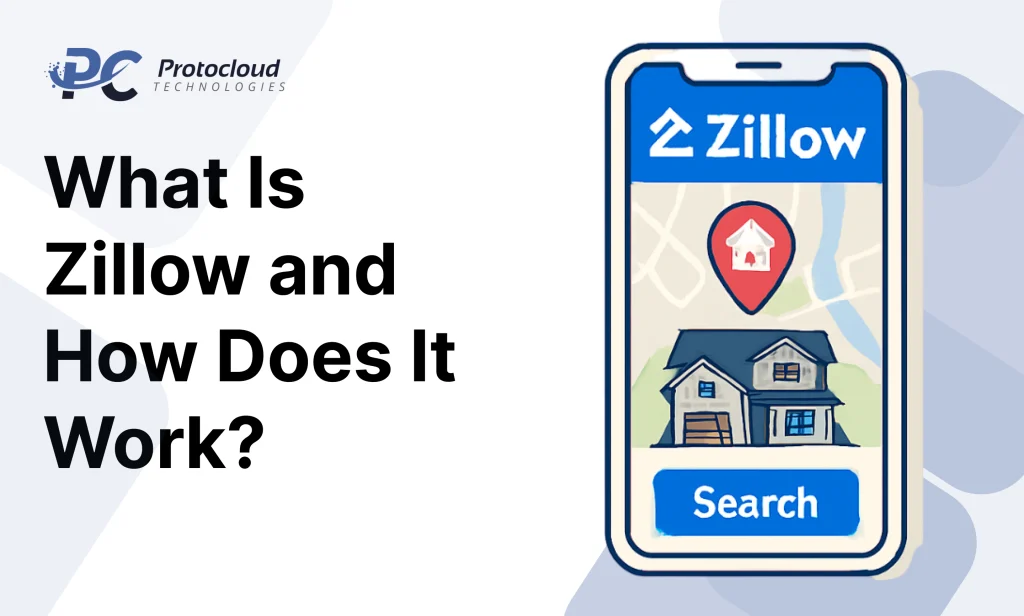
Before you start your Zillow-like app development journey, you must understand the king of the hill. Zillow is a giant digital marketplace. It connects three main groups: buyers, sellers, and real estate agents. It makes money by providing value to all of them at once. This is the core of a successful real estate marketplace app.
For buyers, it is a property buying and selling app that offers millions of listings. They can see prices, history, and photos. For sellers, it is a platform to reach thousands of people instantly. For agents, it is a lead machine. They pay for visibility to find new clients. This ecosystem is what makes Zillow-like app development so profitable.
The app uses a mobile-first real estate platform strategy. This means it is designed for your thumb first, not your desktop. It pulls data from various sources to show “Zestimates.” These are AI-driven price predictions. When you build a Zillow alternative app development project, you need this kind of data-driven power.
Why Build an App Like Zillow in 2026?
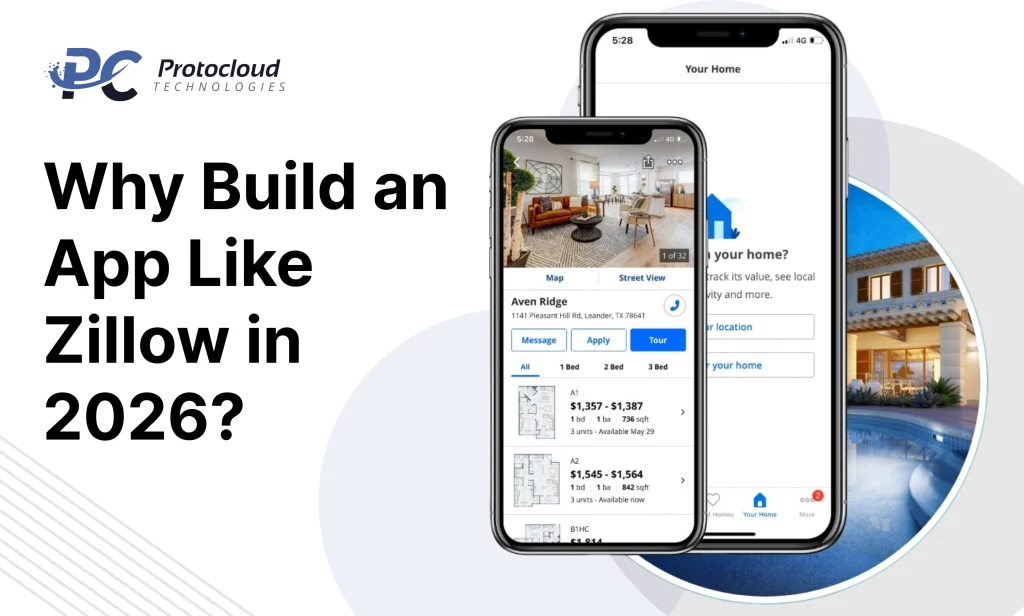
You might wonder if the market is too crowded. The truth is, real estate app development in 2026 is just getting started. Buyers today are younger and tech-savvy. They don’t want to call an agent for every small detail. They want a property listing app development solution that gives them the power to search on their own.
We are seeing a massive shift toward data-driven real estate solutions. People want to know the “why” behind a price. They want to see the crime rates, school scores, and future market trends. An AI-powered real estate app can provide these insights in seconds. This is why businesses are investing heavily in this space.
Furthermore, virtual property tours have become a “must-have.” People are moving across states and even countries. They need to see a home without flying there. By focusing on AR/VR real estate app features, you can serve a global audience. This is a huge opportunity for any real estate app development company.
Must-Have Features of an App Like Zillow
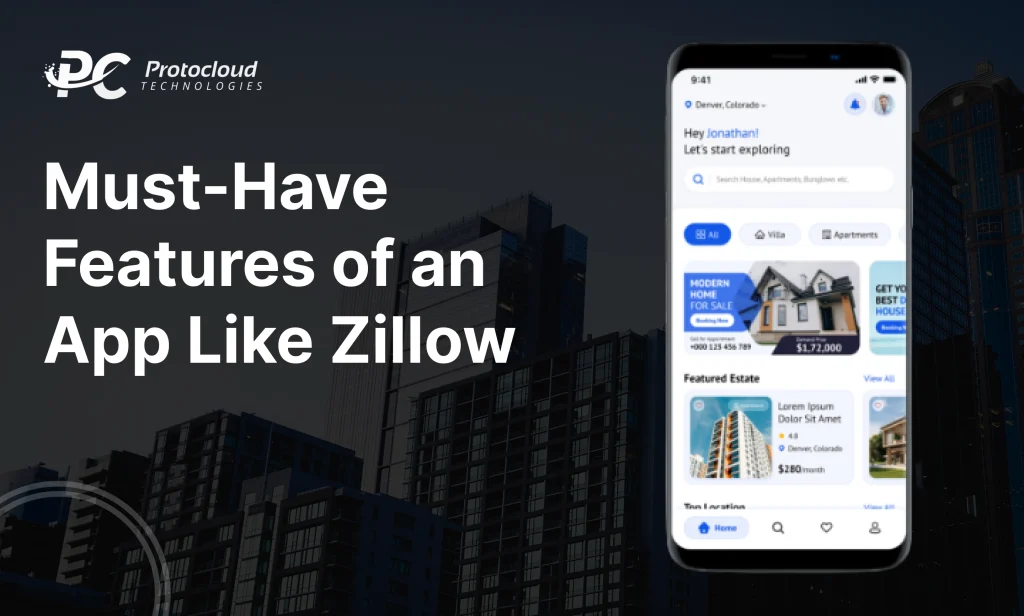
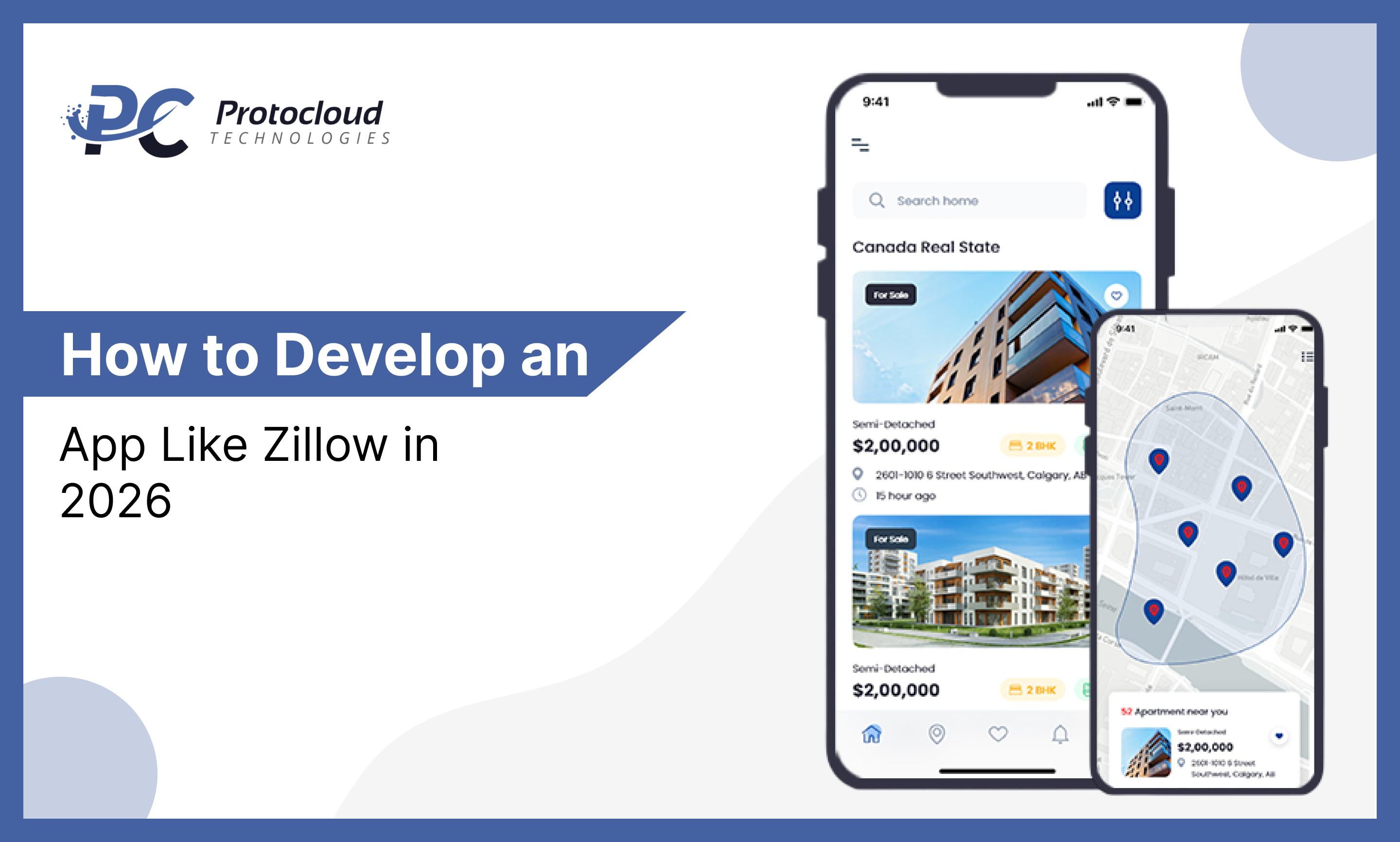
To succeed, your app needs to be better than the rest. You need a mix of core tools and futuristic tech. This is where Zillow-like app features come into play. Start with the basics: user profiles and a very fast search bar. But don’t stop there. You need smart property search filters that let users filter by more than just bedrooms and bathrooms.
Integration is key. You need an interactive map integration that feels smooth. Users should be able to draw a circle on a map and see homes in that area. This requires high-quality APIs like Google Maps. You should also include a mortgage calculator app feature. This helps buyers understand their monthly payments without leaving your app.
In 2026, you cannot ignore the power of AI. Use AI-based property recommendations to keep users coming back. If they like a modern condo, show them three more just like it. Add real-time chat with agents so they can ask questions instantly. This keeps the engagement high and the bounce rate low.
The Advanced Tech Stack for 2026
Building a Zillow-like app development project requires a robust engine. For the frontend, many choose Flutter or React Native. You can launch apps on iOS and Android without maintaining separate codebases. This saves time and money. It also ensures a consistent look and feel across all devices.
The backend is where the heavy lifting happens. You need a scalable real estate app architecture to handle millions of users. Using Node.js or Python is a smart move. For your data, you need something flexible like PostgreSQL. This helps you manage complex property details and user data safely.
Don’t forget about the “smart” side of things. A cloud-based real estate application is essential for speed. You will also need real estate CRM integration for your agents. This helps them manage their leads and close deals faster. Using a professional real estate app development company can help you pick the right tools for your specific goals.
Step-by-Step Development Process
How do you actually start? First, you need deep market research. Look at what your competitors are doing wrong. Maybe their maps are slow or their filters are confusing. Use these gaps to make your Zillow alternative app development better. Then, move into the UI/UX design phase. Make it clean and simple.
Next comes the actual coding. This is where you build the property listing app development core. You will need to integrate various APIs for maps, payments, and property data. Once development finishes, the app should go through proper testing. Check for bugs on every device. A slow app is a dead app in 2026.
Finally, you launch. But the work doesn’t stop there. You need ongoing maintenance and updates. Listen to user feedback and keep adding value. This is how you build a mobile-first real estate platform that lasts. Always focus on the user experience and keep your data fresh.
Zillow App Development Cost in 2026
What is the Zillow app development cost? This is the most common question. The truth is, it depends on your objectives. A basic MVP (Minimum Viable Product) might cost between $40,000 and $60,000. This includes the essential features to get you started in the market.
If you want a mid-scale app with better design and more features, expect to pay $70,000 to $120,000. For an enterprise-level AI-powered real estate app, the cost can go above $150,000. This includes advanced tech like property price prediction and AR/VR real estate app functions.
The location of your real estate app development company also matters. Developers in the US or Europe usually charge more than those in Asia or Eastern Europe. However, you should never sacrifice quality for a lower price. A buggy app will cost you much more in the long run through lost users.
Monetization: How to Make Money
You are building a business, not just an app. You need solid real estate app monetization strategies. The most common way is through featured listings. Agents or sellers pay a fee to have their properties appear at the top of search results. This is a proven winner for Zillow-like app development.
Another great way is through agent subscriptions. You can offer a “Pro” version of the app for real estate professionals. This gives them better tools and more leads. You can also use display ads. However, make sure they don’t ruin the user experience. Keep them relevant to the home-buying process.
Lastly, consider lead generation fees. When a user clicks “Contact Agent,” you can charge the agent a small fee for that high-quality lead. Some apps even offer premium memberships for users to see “off-market” homes early. This creates a sense of exclusivity and steady recurring revenue for your real estate marketplace app.
Challenges to Keep in Mind
Building a Zillow-like app development project is not without risks. The biggest challenge is data accuracy. If a house is sold but still shows as “Available,” users will get frustrated. You need a way to keep your real estate market analytics updated in real-time. This requires strong API connections and clean data.
Data privacy is another major hurdle. You are handling sensitive user information. You must comply with global standards like GDPR. A secure, scalable real estate app architecture is non-negotiable. If you lose user trust, you lose the business. Always prioritize security from day one.
Finally, the market is crowded. To stand out, you need a “hook.” Maybe your app focuses on eco-friendly homes. Or maybe it has the best virtual property tours in the industry. Whatever you create, ensure it fixes a real-world problem. This is the only way to beat the competition in real estate mobile app development.
How to Stand Out in 2026
To win, you must be different. Use AI-based property recommendations that actually feel personal. Don’t just show “houses nearby.” Show houses that fit the user’s lifestyle. If they work from home, show them houses with quiet offices. This level of detail makes your Zillow-like app development stand out.
Focus on speed and simplicity. A mobile-first real estate platform should load instantly. Every extra second of loading time is a lost user. Invest in high-quality real estate market analytics so users feel like experts. When users feel smart using your app, they will come back and tell their friends.
Lastly, work with a professional real estate app development company. They know how to prevent the mistakes most teams make. They can help you implement property price prediction tools that build user confidence. Success in developing an app like Zillow depends on the details and the underlying technology.
Final Thoughts
Building a Zillow-like app development project in 2026 is a massive opportunity. The technology is ready, and the demand is higher than ever. By focusing on real estate mobile app development, you are entering a market that is essential to everyone. Everyone needs a place to live.
If you follow the right steps, you can create a platform that changes lives. Use AI-powered real estate app features to provide real value. Keep your costs managed and your tech stack modern. Most importantly, keep the user at the centre of everything you do. This is the key to a successful property-buying and selling app.
The future of real estate is digital. Are you prepared to take part in this journey? Now is the time to start your real estate app development journey. With the right team and a clear vision, you can build the next big thing in the housing market.
FAQ’s
FAQ 1: How long does it take to develop an app like Zillow?
The development timeline depends on features and complexity. A basic MVP usually takes 3–5 months. A full-featured Zillow-like app with AI, virtual tours, and analytics can take 6–10 months. Ongoing updates continue after launch to improve performance and user experience.
FAQ 2: What is the cost to develop an app like Zillow in 2026?
The Zillow app development cost varies based on features, platforms, and technology. An MVP costs less, while enterprise apps with AI, AR/VR, and advanced analytics cost more. Factors like team location, integrations, and scalability also affect the final budget.
FAQ 3: Which features are essential for a Zillow-like app?
Core features include property search, smart filters, interactive maps, user profiles, and saved listings. Advanced features such as AI-based property recommendations, virtual property tours, price history, and real-time chat help the app stand out in 2026.
FAQ 4: Can AI really improve a real estate app like Zillow?
Yes. An AI-powered real estate app improves search accuracy, predicts property prices, and personalizes recommendations. AI also helps analyze market trends, making the app more useful and engaging for buyers, sellers, and agents.
FAQ 5: Why should I hire a professional real estate app development company?
A professional real estate app development company brings domain expertise, scalable architecture, and security best practices. They reduce development risks, ensure compliance, and provide long-term support, helping your Zillow-like app succeed in a competitive market.