Digital payments are changing the world faster than ever. People now shop online, order food online, book tickets online, and even transfer money online within seconds. Carrying cash is slowly becoming less common because digital transactions are faster, easier, and more convenient.
That is exactly why P2P payment apps are growing rapidly. Apps like Zelle have completely changed how people send and receive money. Instead of waiting days for a bank transfer, users can now move money almost instantly.
And the best part?
Most users do not pay any transaction fee while using the app. But this creates a big question.
If users are not paying fees, then how does Zelle make money? That is where the Zelle business model becomes interesting. Behind every successful fintech platform is a smart revenue strategy. And
Zelle is one of the best examples of a company handling billions of transactions while still keeping the app simple, fast, and free for users.
In this detailed guide, you will learn:
- What is the Zelle app
- How does Zelle work
- How does Zelle make money
- The complete Zelle revenue model
- Key features of the app
- Zelle monetization strategies
- Top Zelle alternatives
- Cost to build an app like Zelle
- Future opportunities in fintech app development
Let’s dive in.
What is the Zelle App?
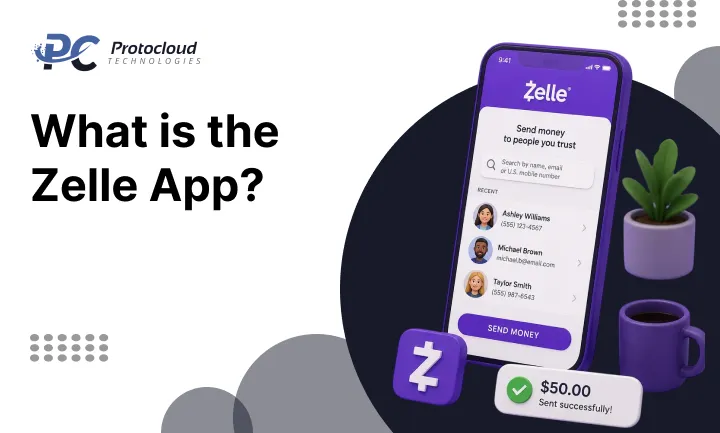
Zelle is a peer-to-peer payment app that allows users to send and receive money directly between bank accounts. The platform works with major US banks and credit unions to make money transfers fast and secure.
In simple terms, Zelle acts like a bridge between banks.
Users can send money using:
- Mobile number
- Email address
- Banking app integration
Unlike traditional bank transfers that may take several business days, Zelle transfers usually happen within minutes.
The platform is operated by Early Warning Services LLC. It is backed by several major US banks, including:
- JPMorgan Chase
- Wells Fargo
- Bank of America
- Capital One
- PNC Bank
Today, the platform connects more than 1000 banks and credit unions across the United States. That huge network is one of the biggest reasons behind its success.
Why Digital Payment Apps Are Growing So Fast
The rise of digital payment apps is not surprising anymore. People want convenience. Nobody wants the hassle of carrying cash or waiting several days for payments to clear.
A real-time payment system saves time and improves the user experience.
Here’s the deal: Modern users expect instant service.
They want to:
- Send money instantly
- Split bills quickly
- Pay rent online
- Transfer emergency funds
- Shop digitally
That is exactly what apps like Zelle provide. This shift has created massive opportunities for fintech app development companies worldwide.
How Does Zelle Work?
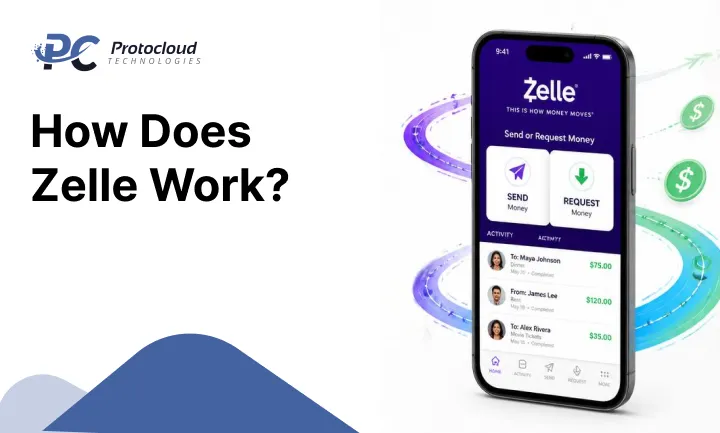
Before understanding how Zelle makes money, it is important to understand how the app actually works. The process is surprisingly simple.
Users can access Zelle through:
- The standalone Zelle app
- Their banking mobile app
- Online banking platforms
To send money, users follow these simple steps.
Step 1: Open the App
Users log into the Zelle app or access Zelle through their bank. They connect a valid bank account using their email or phone number.
Step 2: Select the Receiver
The sender chooses the recipient using:
- Mobile number
- Email address
The receiver must also be registered with Zelle or a partner bank.
Step 3: Enter Amount and Confirm
Users enter the payment amount and complete the transfer. In most cases, the money arrives within minutes. This seamless payment app experience is one reason behind Zelle’s rapid adoption.
Why Is Zelle So Popular?
The Zelle app has become one of the most used digital payment apps in the United States. But why?
Several factors contribute to its popularity.
01. Instant Money Transfers
This is Zelle’s biggest advantage. Traditional bank transfers may take days.
But Zelle offers real-time money transfers. That speed makes the app ideal for:
- Emergency payments
- Rent sharing
- Family transfers
- Business transactions
Users love instant payment solutions because they reduce waiting time.
02. No User Fees
This is where the Zelle revenue model becomes interesting. Zelle usually does not charge users to send or receive money. That creates a better customer experience.
Most people naturally prefer free services over apps with transaction charges. But there’s a catch.Even though users usually do not pay any fee, Zelle still makes money through different revenue sources. We will cover those shortly.
03. Direct Bank Integration
One major advantage of Zelle is bank integration. Users do not always need a separate mobile wallet app. Many banks already include Zelle inside their digital banking app.
This improves convenience and trust. Users feel safer using a payment system backed by their own bank.
04. Strong Security Features
Security is critical in financial app development. The Zelle app uses advanced security systems like:
- Data encryption
- Fraud monitoring
- Multi-factor authentication
These payment app security features help protect users and reduce fraud risks.
05. User-Friendly Experience
The app is simple to use. Even first-time users can send money within minutes. That smooth user experience increases adoption and retention.
How Does Zelle Make Money? Understanding the Zelle Business Model
Now let’s answer the main question. How does Zelle make money? The Zelle business model is based on partnerships, transaction processing, and fintech monetization strategies.
Instead of charging users directly, the platform earns money from financial institutions and additional services.
Let’s break down the complete Zelle revenue model.
01. Transaction Fees
Transaction fees are one of the biggest revenue sources for Zelle. The platform charges banks and financial institutions for using its payment infrastructure.
These fees may include:
- Fixed fees per transaction
- Percentage-based processing fees
Even though users send money for free, banks may still pay processing costs behind the scenes. This strategy allows Zelle to maintain a free user experience while still generating revenue.
02. Partnership Fees
Strategic partnerships are another major part of the Zelle business model.
Banks and credit unions pay to integrate Zelle into their systems. This banking app integration helps financial institutions offer modern payment features to their customers.
Larger banks may pay higher fees depending on:
- User volume
- Integration complexity
- Platform usage
Partnerships are a huge reason why Zelle expanded so quickly across the United States.
03. Data Monetization
Data has become extremely valuable in the digital world. Like many fintech platforms, Zelle collects transaction-related information.
This may include:
- Spending patterns
- User behavior
- Transaction frequency
- Demographic insights
The data is typically anonymized and aggregated before use. Zelle can use these insights for:
- Market research
- Financial analytics
- Business intelligence
- Advertising insights
Data monetization is now a common revenue source for fintech companies.
04. Value-Added Services
Zelle also offers premium services to banks and enterprises. These services may include:
- Faster payment processing
- Advanced fraud detection
- Detailed reporting systems
- Better transaction monitoring
- Enhanced security systems
These premium offerings create additional payment app revenue streams.
05. Interest on Funds
Although not its primary income source, Zelle may also generate interest from temporary fund storage during transaction processing. Many financial technology apps use this strategy to create additional earnings.
Key Components of the Zelle Business Model
The success of the Zelle business strategy depends on several important factors.
Massive User Base Growth
The platform focuses heavily on expanding its user base. Why? Because more users mean:
- More transactions
- Higher platform activity
- Increased bank partnerships
- Better monetization opportunities
Network effects play a huge role in digital payment ecosystems.
The larger the network becomes, the stronger the platform gets.
Strategic Bank Alliances
Partnering with trusted financial institutions gave Zelle an immediate advantage. Instead of building customer trust from scratch, the platform leveraged the credibility of major banks. That strategy helped the app grow much faster than many fintech startups.
Strong Brand Trust
Trust matters in fintech. People are careful with financial apps. Since Zelle is connected with established banks, users feel safer using it for daily transactions.
Main Features of the Zelle App
If you plan to build an app like Zelle, understanding the core features is essential. Here are the most important Zelle app features.
Money Transfer
The main feature allows users to send and receive money instantly. Transfers happen directly between linked bank accounts.
Instant Payments
Real-time transactions improve convenience and customer satisfaction. This is one of Zelle’s strongest selling points.
Bank Integration
The app works directly with banks and credit unions. This eliminates the need for third-party wallet storage in many cases.
Real-Time Notifications
Users receive alerts for:
- Successful payments
- Payment requests
- Completed transactions
This improves transparency and trust.
Strong Security Systems
Secure fintech apps require advanced protection systems. Zelle uses multiple layers of security to protect user information and transactions.
Benefits of Using the Zelle App
The Zelle app offers several major advantages.
Fast Transfers
Users can transfer money almost instantly. This makes the app highly convenient for urgent transactions.
No Additional Fees
Most users can send and receive money without extra charges. That creates a better user experience.
Trusted Banking Network
The app works with major US financial institutions. This improves reliability and customer trust.
Easy User Experience
The interface is simple and beginner-friendly. Even non-technical users can navigate the app easily.
Wide Banking Coverage
The platform supports thousands of banks and credit unions. That makes money transfers smoother and more accessible.
What Is the Transfer Limit of Zelle?
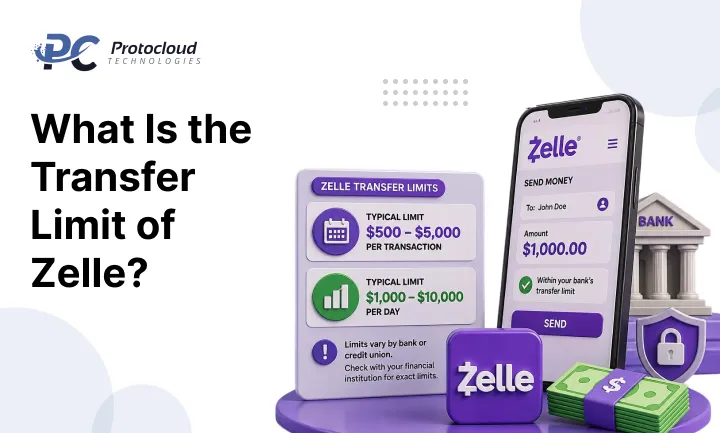
The Zelle transfer limit depends on the user’s bank or credit union. Most financial institutions allow daily transfers between:
- $500
- $2500
Some banks may offer higher limits. If a user’s bank is not a Zelle partner, transfer limits may be lower. The platform also limits transaction frequency to reduce fraud risks.
Top Zelle Alternatives
Zelle dominates the P2P payment industry, but it still faces strong competition.
Here are some top Zelle alternatives.
01. Venmo
Venmo is one of the biggest peer-to-peer payment apps in the United States. The platform allows users to:
- Send money
- Receive money
- Split bills
- Make social payments
Venmo earns revenue through premium features and transaction fees.
02. Cash App
Cash App offers:
- Instant transfers
- Investing options
- Bitcoin purchases
- Debit card services
The app generates revenue from transaction fees and financial services.
03. PayPal
PayPal is one of the oldest online payment platforms in the world. It remains a major player in digital transactions and payment processing.
Cost to Build an App Like Zelle
Many businesses now want Zelle-like app development solutions. But how much does it cost to build an app like Zelle?
The answer depends on several factors.
Features and Complexity
Basic apps cost less. Advanced features increase development costs. Some advanced features include:
- AI-driven fraud detection
- Blockchain integration
- Biometric authentication
- Real-time analytics
Security Requirements
Security is one of the most expensive parts of fintech app development. A secure online payment platform requires:
- Data encryption
- Fraud prevention systems
- Secure APIs
- Multi-factor authentication
Platform Selection
Building for Android and iOS increases overall costs. Cross-platform development may reduce expenses slightly.
Development Team
Hiring an experienced payment app development company affects pricing significantly.
However, experienced fintech developers improve scalability and security.
Essential Features for Zelle-Like App Development
Businesses planning to build a Zelle app clone should include:
- User registration
- Bank linking
- Real-time transfers
- Push notifications
- Transaction history
- Fraud monitoring
- Secure authentication
- Customer support
Modern fintech app architecture may also include:
- AI analytics
- Blockchain security
- Biometric login systems
Future Opportunities for Zelle Monetization
The current Zelle revenue model is already strong. But the platform still has future monetization opportunities.
Potential strategies include:
- Launching debit cards
- Credit card services
- Affiliate partnerships
- Insurance products
- Investment services
- Premium business accounts
However, expanding into banking products could create competition with partner banks. So the company must balance innovation carefully.
Why Businesses Invest in Fintech App Development
The digital payment industry continues to grow rapidly. Businesses invest in fintech app development because customers now expect:
- Instant transactions
- Mobile accessibility
- Secure payment systems
- Easy money management
P2P payment apps are no longer just convenient tools. They are becoming essential financial platforms.
Why Choose Protocloud Technologies for Zelle-like App Development?
Building a secure fintech platform requires expertise.
Protocloud focuses on:
- Mobile payment app development
- Financial app development
- Secure fintech app architecture
- User-friendly payment platforms
The company also uses modern technologies like:
- AI-powered analytics
- Blockchain integration
- Biometric security systems
This helps businesses create scalable and future-ready digital payment ecosystems.
Conclusion
The success of Zelle proves that users want fast, simple, and secure digital payment solutions. Even though users often transfer money for free, the platform still earns revenue through transaction fees, strategic partnerships, data monetization, and premium services.
That is the real strength of the Zelle business model. For fintech startups and businesses, Zelle offers a valuable blueprint for building scalable payment platforms.
If you plan to build an app like Zelle, focus on:
- Security
- User experience
- Real-time transactions
- Strong bank integration
The digital payment industry still has massive growth potential. And the next successful fintech app could be yours.
FAQs
01. How does Zelle make money if it is free for users?
Zelle mainly earns revenue through transaction fees, partnership fees, data monetization, and value-added services offered to banks and financial institutions.
02. Is Zelle a secure payment app?
Yes. The Zelle app uses encryption, fraud monitoring, and multi-factor authentication to protect users and transactions.
03. What are the best Zelle alternatives?
Popular Zelle alternatives include Venmo, Cash App, and PayPal.
04. How much does it cost to build an app like Zelle?
The cost depends on app features, security systems, development complexity, and the payment app development company you hire.
05. Why are P2P payment apps becoming popular?
P2P payment apps offer instant transactions, better convenience, secure transfers, and easy digital payments for users and businesses alike.